

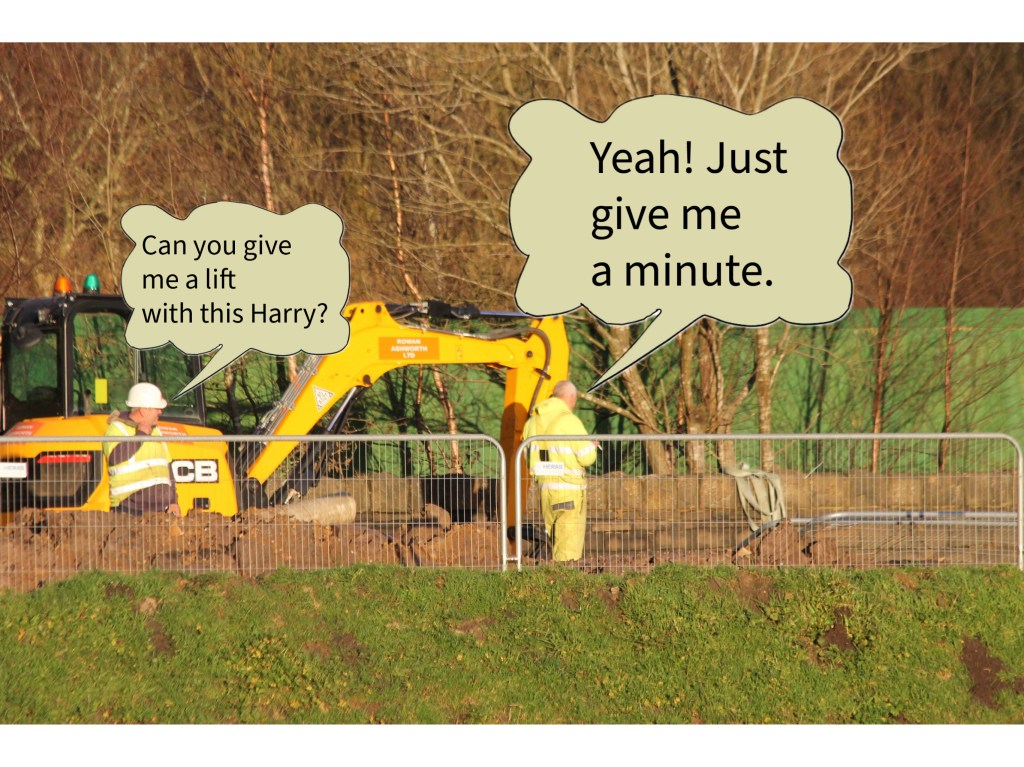
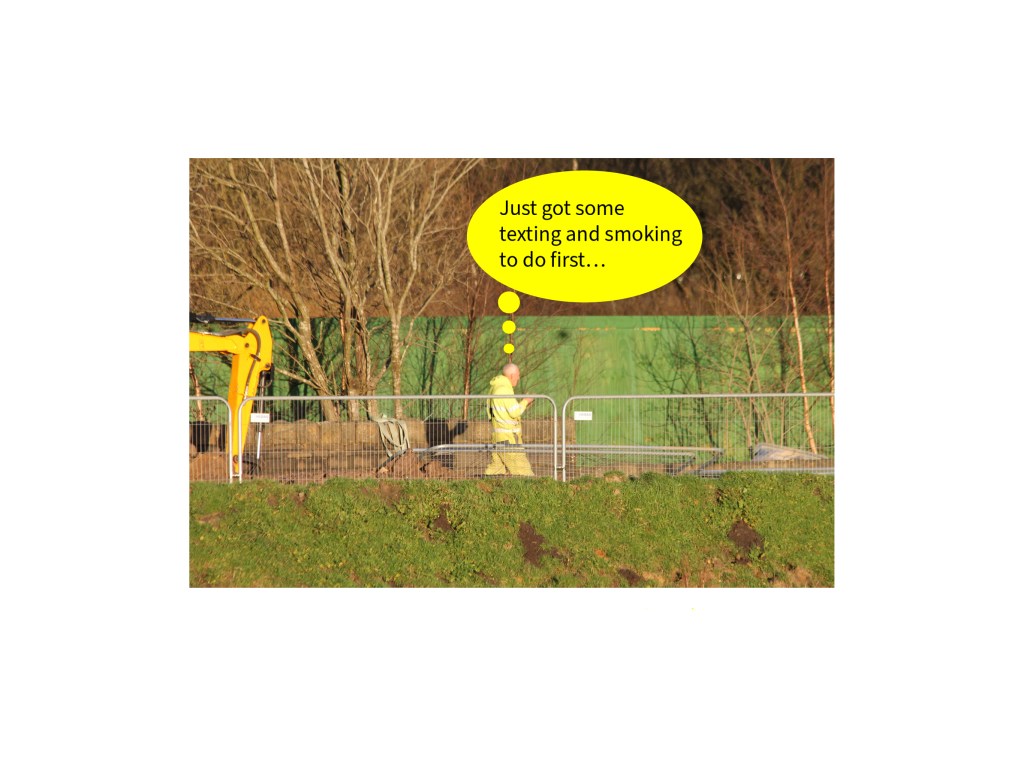


Looking after your mental health can be very challenging in the workplace arena. Employees are often under a lot of pressure to meet managements targets and operate in conditions that are often unpleasant or even dangerous.
Not all employees have the confidence to decline a request to complete a task or give assistance while they are taking their agreed break. They might feel that not doing everything they are asked to might lead to their supervisor seeing them as lazy or a troublemaker. If you rely on your job to survive or provide for your family, this can create a lot of anxiety for the person concerned.
Worker’s break times are not an unnecessary luxury. They are an important part of maintaining the mental and physical health of all staff. So if you find yourself struggling to take your tea-break without a supervisor or colleague approaching you to help; or anyone interfering with your rest, just stand firm. Don’t get angry or offensive. Just calmly explain that you need to take a break.
Look after your mental health; because, if you don’t, then who will?
In the UK, workers’ rights to breaks and rest periods are primarily governed by the Working Time Regulations 1998. These rules set out entitlements for rest breaks during the working day, daily rest, and weekly rest periods. Here’s an overview of the basic rules:
1. Rest Breaks During the Working Day
• Entitlement: Workers who work more than 6 hours per day are entitled to a 20-minute rest break.
• Type of Break: This is an uninterrupted break that allows the worker to relax. It can be a lunch break, coffee break, or another form of downtime.
• Timing: The break should ideally be taken during the working period and not at the beginning or end of the shift.
• Paid or Unpaid: There is no legal obligation for this break to be paid—it depends on the worker’s contract.
2. Daily Rest
• Workers are entitled to 11 consecutive hours of rest between shifts. For example, if a worker finishes a shift at 8 pm, their next shift cannot start until at least 7 am the next day.
3. Weekly Rest
• Workers must have at least 24 hours of rest per week or 48 hours of rest every two weeks. This rest should ideally be uninterrupted.
4. Special Rules for Young Workers (Under 18)
Young workers are entitled to:
• 30-minute rest breaks if they work more than 4.5 hours at a time.
• 12 consecutive hours of daily rest.
• 48 consecutive hours of weekly rest.
5. Exceptions and Variations
• Shift Work: Some jobs, such as shift work or jobs in emergency services, may require rest periods to be delayed or shortened. Compensatory rest is typically provided in such cases.
• On-call Work: If a worker is on call and unable to rest properly, they may need to be given compensatory rest.
• Flexible Arrangements: Workers in sectors like transport or healthcare may have slightly different rules due to the nature of their work.
6. Employer Responsibilities
Employers are responsible for ensuring workers can take their entitled breaks and rest periods. They must not pressure workers to skip or shorten breaks.
7. Worker Rights and Complaints
If a worker believes their rights to breaks or rest periods are being violated, they can:
• Raise the issue with their employer.
• Contact Acas (the Advisory, Conciliation, and Arbitration Service) for guidance.
• Make a formal complaint to an employment tribunal if necessary.
These rules aim to ensure workers’ health, safety, and well-being while maintaining productivity in the workplace.
Discover more from MiniRag ©
Subscribe to get the latest posts sent to your email.

