
What is the fastest creature on Earth?
While I’m confident that many of us think “Cheetah”, that answer is not always considered correct. A more interesting answer to consider is, “that depends.” This would certainly lead to the response of, “depends on what? Exploring all scenarios would take us beyond the intended scope of this article, so we will focus on those below.
- Over what distance? 100 Metres.
- Where? Land, air, and water.
100 Metres
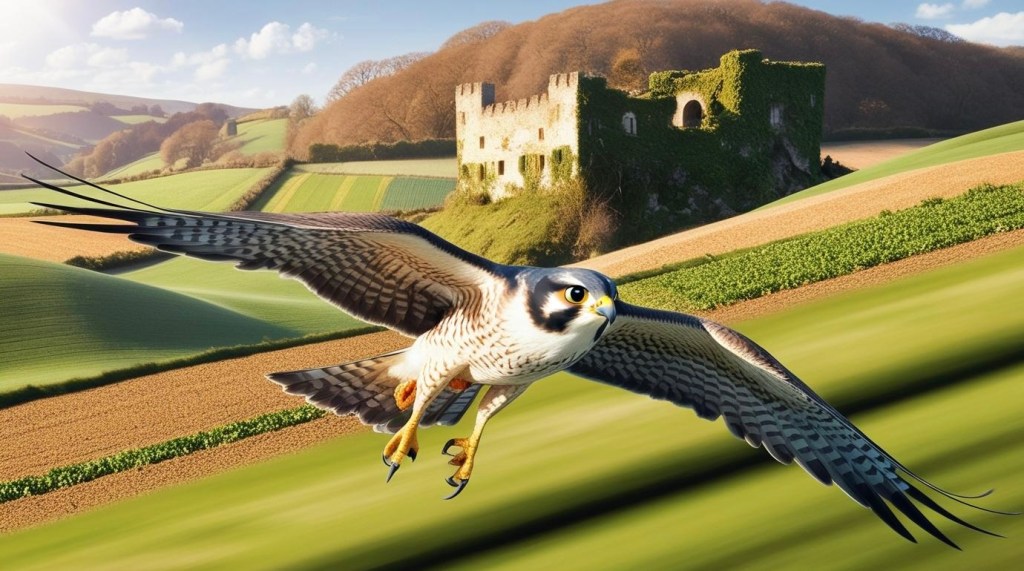
1. The Peregrine Falcon (in a dive): This bird doesn’t run, because that would be silly. Still, they can reach speeds of around 320 km/h (200 mph) during a dive towards their unwitting prey. This means they can easily cover 100 metres in under a second. I’m so glad they haven’t got a taste for human ears or noses. I’m not very aware of what’s above me. My eyesight is failing, and my reactions are sluggish. This combination could make a walk to the shop a little daunting.
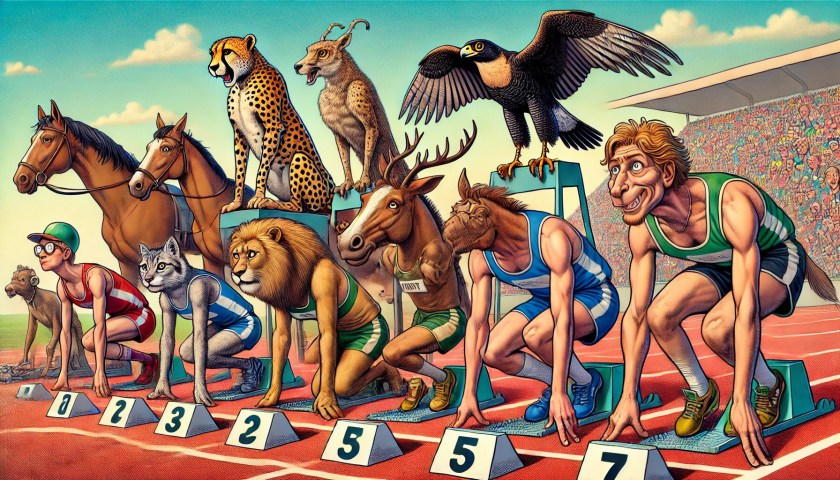
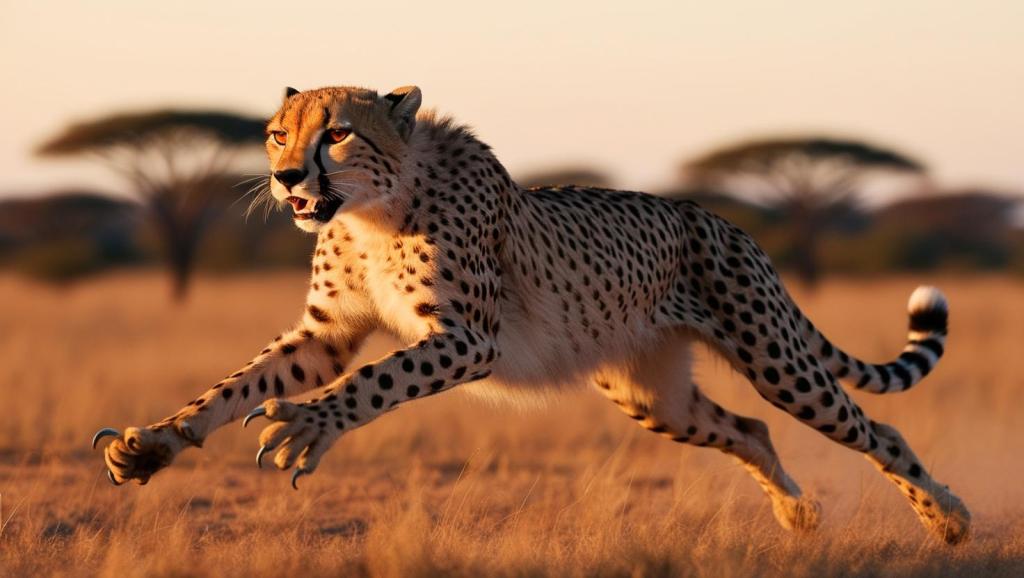
2. Cheetah: The fastest land animal can reach speeds of 96-98 km/h (60-61 mph) in short bursts. It can cover 100 metres in about 5-6 seconds (In ideal conditions). The Cheetah is a beautiful animal. With its hunting skills and lightning acceleration, nearby prey needs to be on constant high alert. How exhausting that must be.
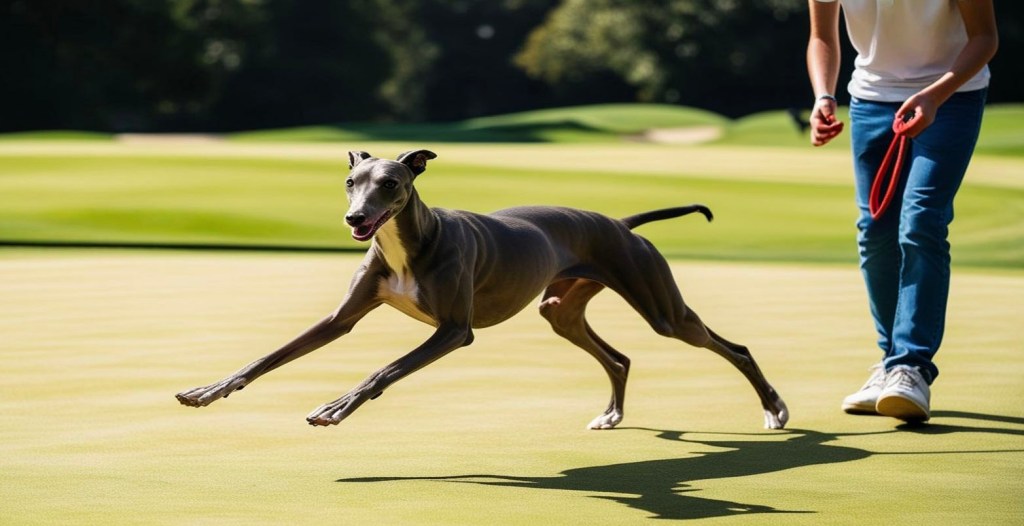
3. Greyhound: Among dogs, greyhounds are incredibly fast. They can reach speeds of 72 km/h (45 mph). This speed allows them to cover 100 metres in about 5-7 seconds. My family owned one of these dogs when I was younger. I have happy memories of walking him with my siblings. We found a place we thought was safe. It was on the local golf course, where no one else seemed to be around. At least, that’s what we believed in our pre-teen minds. One of us held him while the other stood some distance away and called his name. Then he would run from one to the other. On releasing him, he would instantly take off running. He was so fast and so much fun.
This beautiful animal’s speed and hunting instincts make it vulnerable to exploitation. People use them to hunt hares for entertainment. They are also bred to race at tracks where people gamble on their performance against other dogs. Many owners love their dogs. Still, mistreatment is common because some owners see them as nothing more than a money-making tool. If you are one of those people reading this article, please have a heart. They have feelings just like we do.
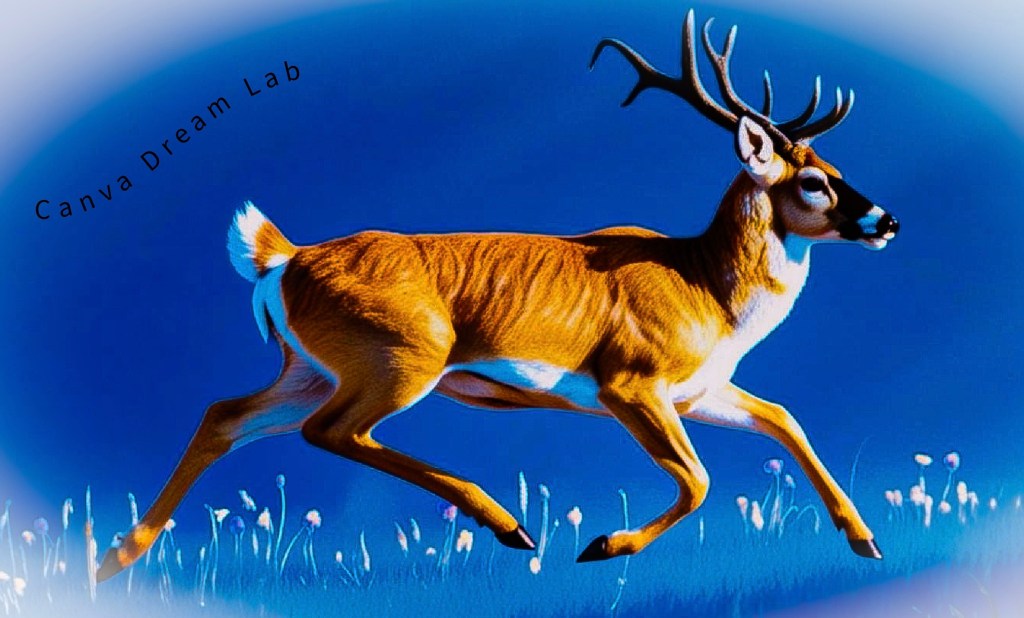
4. Pronghorn Antelope: Known for its endurance and speed, the pronghorn can stay at 88.5 km/h (55 mph) over short distances, completing 100 metres in roughly 4-5 seconds.
https://www.britannica.com/animal/pronghorn
Anyone who has spent much time watching nature programmes has probably seen antelope hunted by predators in their natural habitat. If they feel like I do, they probably watch, hoping the antelope can outrun their predator. I have no idea what their overall chances of escape are. But, it feels so good to watch them outrun their adversary and live another day.
5. Quarter Horse: In short sprints, this horse breed can reach 88.5 km/h (55 mph), rivaling the pronghorn in covering 100 metres in 4-5 seconds. Brief research into this particular horse suggests it has a long history in the USA. It was bred in ways that enhanced its speed and strength, particularly over short distances. Like the greyhound, these amazing animals are vulnerable to exploitation.

Land Animals
1. Cheetah • Speed: 96–98 km/h (60–61 mph) • 100 metres: ~5–6 seconds • Cheetahs use explosive acceleration but can only sustain their top speed for about 20–30 seconds.
2. Pronghorn Antelope • Speed: 88.5 km/h (55 mph) • 100 metres: ~4–5 seconds • Though not quite as fast as cheetahs in acceleration, their endurance allows for consistent high speeds.
3. The American Quarter Horse • Speed: 88.5 km/h (55 mph) • 100 metres: ~4–5 seconds • Known for their ability to sprint at incredible speeds in short races, they’re often used in horse racing.
4. Greyhound • Speed: 72 km/h (45 mph) • 100 metres: ~5–7 seconds • Greyhounds accelerate quickly, making them some of the fastest sprinters in the animal kingdom.
5. The Lion • Speed: 80 km/h (50 mph) • 100 metres: ~4.5–5 seconds • Lions can rival cheetahs over very short distances when hunting.
Airborne Animals
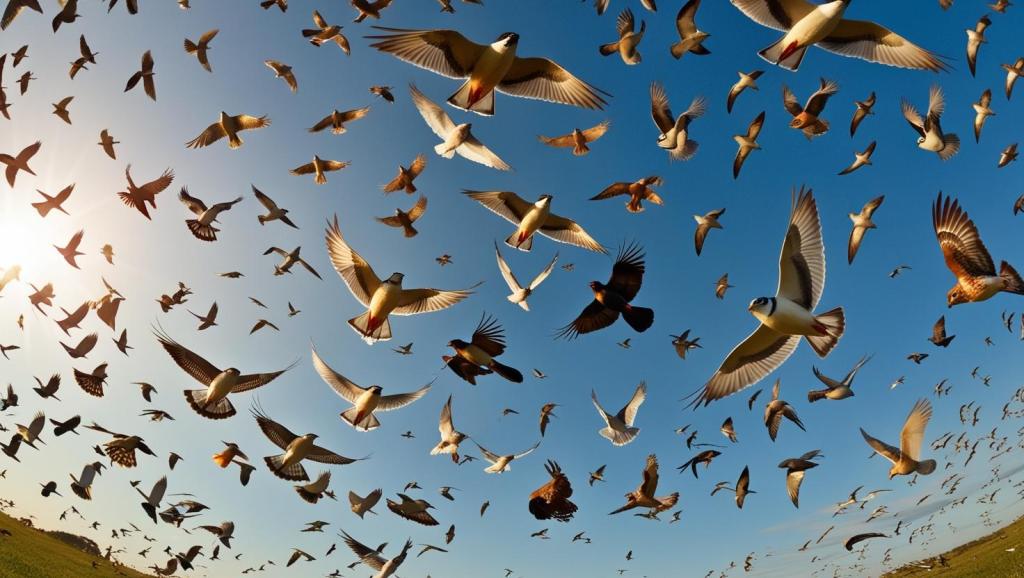
1. Peregrine Falcon (in a dive)• Speed: 320 km/h (200 mph) • 100 metres: ~1 second• The fastest animal on Earth, but this speed is achieved during a controlled dive.
2. Golden Eagle (in a dive)• Speed: 240 km/h (150 mph) • 100 metres: ~1.5 seconds • While not as fast as the peregrine falcon, golden eagles are incredible predators in the air.
3. Brazilian Free-Tailed Bat • Speed: 99 km/h (61 mph) • 100 metres: ~3.6 seconds • One of the fastest self-powered flying animals, capable of sustained speeds in level flight.
4. Common Swift • Speed: 111.6 km/h (69 mph) • 100 metres: ~3.2 seconds • Known for their long, high-speed flights during migration.
Aquatic Animals
1. Black Marlin • Speed: 132 km/h (82 mph) • 100 metres: ~2.7 seconds • The fastest swimmer in the ocean, known for incredible bursts of speed.
2. Sailfish • Speed: 109 km/h (68 mph) • 100 metres: ~3.3 seconds • Recognized for its speed and agility, making it a top ocean predator.
3. Dolphin (Common Dolphin) • Speed: 60 km/h (37 mph) • 100 metres: ~6 seconds • Dolphins rely on powerful, rhythmic swimming to achieve high speeds.
4. Orca (Killer Whale) • Speed: 56 km/h (34.8 mph) • 100 metres: ~6.4 seconds • Despite their size, the orca is surprisingly fast and agile in the water.
Key Observations
• In air, the peregrine falcon wins outright, thanks to its unparalleled dive speeds.
• On land, cheetahs dominate for short bursts, with the pronghorn and quarter horse close behind.
• In water, the black marlin is the fastest, followed by the sailfish.
The pronghorn antelope and quarter horse can sometimes outperform a cheetah over 100 metres. They achieve this due to their better endurance and ability to sustain speed across slightly longer distances. Here’s a breakdown of why this happens:
Cheetah’s Speed Advantage • Acceleration: Cheetahs are the fastest sprinters in the animal kingdom. They can reach speeds of up to 96-98 km/h (60-61 mph) in just 3 seconds. • Limitation: Their incredible speed is powered by explosive bursts of energy. This speed can only be sustained for 20–30 seconds. Overheating and high energy expenditure are the reasons for this limitation. Over 100 metres, their speed starts to taper off if the run is extended.
Pronghorn Antelope’s Endurance • Sustained Speed: The pronghorn can run at speeds of 88.5 km/h (55 mph) for much longer periods. While it accelerates slower than a cheetah, it doesn’t tire as quickly. This ability allows it to sustain high speeds over 100 metres and beyond. Physiology: • Large lungs and heart to pump oxygen efficiently. Specialised muscles optimised for sustained aerobic activity. As a result, pronghorns stay close to their top speed across 100 metres. They match or slightly surpass a cheetah if it begins to decelerate.
Quarter Horse’s Sprint Power • Muscle Efficiency: Quarter horses are bred for short-distance speed and can reach speeds of 88.5 km/h (55 mph) over a quarter mile (~402 metres). Their powerful leg muscles allow rapid acceleration and sustained bursts of speed. Consistency: Unlike cheetahs, quarter horses stay close to top speed over distances like 100 metres without significant loss of momentum.
In 100-Metre Races
• The cheetah might still win in ideal conditions due to its rapid acceleration, but any deviation (e.g., needing to slow down or overheating) allows the pronghorn or quarter horse to overtake.
• Over distances slightly longer than 100 metres, pronghorns and quarter horses consistently outperform cheetahs. Their superior endurance and energy efficiency give them this advantage.
Let’s dive into the bio-mechanics and anatomy of the cheetah, pronghorn antelope, and quarter horse. We want to understand their unique abilities. These traits influence their performance over 100 metres and beyond.
The Cheetah: The cheetah is nature’s ultimate sprinter, built for explosive acceleration and speed. Here’s how: Comparative Anatomy – 1. Body Structure: • Lightweight Frame: A small, aerodynamic body reduces drag and supports faster acceleration. • Long Legs: Enable a longer stride length, which is crucial for covering more ground quickly. 2. Muscle Composition: • Fast-Twitch Fibers: Cheetahs have an exceptionally high proportion of fast-twitch muscle fibres. These fibres provide powerful bursts of speed. However, they fatigue quickly. Reduced Endurance: These muscles prioritise anaerobic energy, which depletes rapidly. 3. Spine and Flexibility: • Elastic Spine: A flexible spine acts like a spring. It allows for an extended stride and contributes to faster speeds. • During a sprint, their stride can reach up to 7 metres (23 feet) per bound. 4. Breathing and Oxygen Use: • Efficient Respiration: Cheetahs can take up to 150 breaths per minute during a sprint. They use these breaths to fuel their muscles with oxygen. Limitations: Their small lungs and narrow nasal passages limit oxygen intake for more sustained efforts.
Pronghorn Antelope: The pronghorn antelope excels in long-distance speed and sustained running, thanks to its evolutionary anatomy for evasion. Comparative Anatomy: 1. Cardiovascular System: • Massive Lungs and Heart: Pronghorns have proportionally larger lungs and hearts than most mammals. This allows for highly efficient oxygen delivery to muscles. • This supports high aerobic performance for extended periods. 2. Muscle Composition: • Mixed Muscle Fibres: The pronghorn has both fast-twitch and slow-twitch fibres in balance. This mix enables it to achieve speed and endurance. • Myoglobin-Rich Muscles: Pronghorn muscles are packed with myoglobin, a protein that stores oxygen and enhances endurance. 3. Body Efficiency: Lightweight Bones: A slender frame reduces energy expenditure during running. • Elastic Tendons: These help to store and release energy with each stride, improving efficiency. 4. Stride Mechanics: • Pronghorns have a moderately long stride but focus more on maintaining energy-efficient movements over long distances.
Quarter Horse: Bred for power and speed in short bursts, particularly over distances up to a quarter-mile (~400 metres). Comparative Anatomy 1. Muscle Power: • Fast-Twitch Muscle Dominance: Like the cheetah, quarter horses rely heavily on fast-twitch fibres for explosive acceleration and high speeds. • They have more stamina than cheetahs, enabling them to sustain this power longer. 2. Build and Structure: Compact, Muscular Body: Quarter horses have a powerful build that allows for immense propulsion and acceleration. • Leg Structure: Strong legs and hooves absorb shock and maximise energy transfer to the ground. 3. Cardiovascular Efficiency: • Large Heart and Lungs: While not as specialised as the pronghorn’s, their cardiovascular system supports sustained high performance over short distances. • Energy Reserves: They store more glycogen in their muscles for quick bursts of energy. 4. Stride Mechanics: • Quarter horses have a slightly shorter stride than cheetahs. They maintain greater efficiency at high speeds. This makes them exceptional sprinters.
Why the Pronghorn and Quarter Horse Can Beat the Cheetah Over 100 Meters
1. Sustained Speed: While the cheetah excels in short bursts, its energy reserves drain quickly. If the cheetah starts to decelerate after 60–80 metres, the pronghorn and quarter horse maintain their speed and can overtake it.
2. Endurance Mechanics: The pronghorn’s superior aerobic system and the quarter horse’s robust muscular endurance allow them to finish the 100 metres strongly, whereas the cheetah may begin to falter.
3. Acceleration and Momentum: The quarter horse accelerates nearly as quickly as the cheetah and maintains this momentum without a significant drop in performance.
Conclusion
It remains clear that the Cheetah is the fastest land animal as it is capable of hitting the highest top speed. This is around 61 mph.
The animal that can achieve the fastest travelling speed is the Peregrine Falcon. This is during a controlled dive where it reaches around 320 km/h (200 mph).
The fastest creature in water is the Black Marlin. It can reach 132 km/h (82 mph)
In ideal conditions, the cheetah would probably win a 100 metres race. The Quarter horse and pronghorn antelope can win if the cheetah fails to deliver its optimum performance.
There are many variables that can alter these declarations. These include adding a steep gradient, facing atrocious weather, and encountering a winding path with tight turns. Additional factors are thick forestation, swampland, hedges to clear, and many more.
All the possibilities are what makes our world so fascinating. Evolution in challenging circumstances has equipped many creatures with unexpected skills that may be unsubstantiated in human records.
The one take-away that stands out for me, is don’t blindly accept the obvious answer as undeniable. Always ask questions and check as many reliable sources as you feel necessary before accepting the information presented.

Discover more from MiniRag ©
Subscribe to get the latest posts sent to your email.

