


Happy New Year Everyone
Once again, we have begun a new year. It’s 2025 and many of us will be looking to bring in new, more positive, ways of living. We may also be thinking about quitting bad habits or other unwanted parts of our lives. The list below identifies some of the more common changes that people decide to make at the beginning of a new year.
1. Health and Fitness
• Exercise regularly
• Eat healthier
• Lose weight
• Quit smoking
• Drink less alcohol
2. Personal Growth
• Read more books
• Learn a new skill or hobby
• Spend less time on social media
• Be more organized
• Practice mindfulness or meditation
3. Financial Goals
• Save more money
• Create and stick to a budget
• Pay off debts
• Invest in personal or professional development
4. Relationships
• Spend more quality time with family and friends
• Improve communication skills
• Meet new people or strengthen existing connections
5. Career and Education
• Advance in your career or start a new one
• Take professional development courses
• Get a degree or certification
• Be more productive at work
6. Acts of Kindness and Giving Back
• Volunteer regularly
• Donate to charities
• Be more supportive of others
7. Lifestyle Changes
• Travel to new places
• Declutter and simplify your living space
• Start a new creative project
• Get better sleep
8. Mental Well-being
• Reduce stress
• Practice gratitude
• Seek therapy or counselling if needed
Some people make only one resolution, while others make several. If you fall into the latter group, you may find that achieving all your New Year’s resolutions requires a well-structured approach to succeed. Here’s how you can tackle each category effectively:

Health and Fitness
1. Set realistic goals: Start small (e.g., begin exercising 2–3 times a week) and gradually increase the level of effort you put in. Going all out from the beginning could leave you feeling tired, irritable, and unable to function. Yes, this would possibly get you where you want to be, but it’s more likely to reduce your chances of success. If you’re in it for the long run, steady progress will feel less of a strain on you.
2. Plan meals: Prepare healthy meals in advance to avoid unhealthy choices.
3. Track progress: Use fitness apps or journals to monitor exercise, diet, and weight changes.
4. Seek support: Join a fitness class, find an accountability partner, or consult a coach.
Personal Growth
1. Prioritise learning: Dedicate a fixed time for daily for reading or practicing a new skill.
2. Limit distractions: Set app usage limits or create “no phone” zones.
3. Stay organised: Use tools like planners or digital apps to schedule tasks.
4. Practice mindfulness: Start with 5 minutes of meditation daily and gradually increase.
Financial Goals
1. Set clear targets: Specify how much you want to save or pay off monthly.
2. Track expenses: Use budgeting tools like spreadsheets or apps (e.g., Mint, YNAB).
3. Automate savings: Set up direct deposits to a savings account.
4. Cut unnecessary expenses: Review subscriptions and impulse purchases.
Relationships
1. Schedule time: Set aside specific days for family, friends, or date nights.
2. Improve communication: Practice active listening and express appreciation.
3. Expand your circle: Join clubs, attend events, or volunteer to meet new people.
Career and Education
1. Define career goals: Set milestones (e.g., applying for a promotion, completing a course).
2. Prioritise learning: Enrol in online courses or workshops that align with your career.
3. Increase productivity: Use techniques like time-blocking or the Pomodoro method.
Acts of Kindness and Giving Back
1. Start small: Commit to volunteering once a month or donating a fixed amount.
2. Incorporate kindness daily: Perform simple acts, like complimenting someone or helping a neighbour.
3. Join causes you care about: This ensures you remain motivated to contribute.
Lifestyle Changes
1. Travel mindfully: Research and plan trips in advance to budget time and money.
2. Declutter incrementally: Tackle one room or area each week.
3. Start projects slowly: Break creative goals into small, manageable steps.
Mental Well-being
1. Identify stressors: Write down what triggers stress and find coping mechanisms (e.g., exercise, journaling).
2. Practice gratitude: Keep a daily gratitude journal and reflect on positives.
3. Seek professional help: If needed, consult a therapist or counsellor for guidance.
General Tips for Success
1. Set SMART goals: Specific, Measurable, Achievable, Relevant, Time-bound.
2. Break them down: Divide big goals into smaller, manageable steps.
3. Stay flexible: Adjust goals if needed but remain consistent in effort.
4. Celebrate progress: Reward yourself for milestones to stay motivated.
5. Monitor regularly: Reflect monthly on achievements and challenges.
1. Identify Stressors
• Keep a journal: Write down situations, thoughts, or people that trigger stress or negative emotions.
• Analyse patterns: Look for recurring themes to identify areas to address.
• Set boundaries: Learn to say “no” when something compromises your peace of mind.
2. Develop Healthy Coping Mechanisms
• Exercise regularly: Physical activity releases endorphins that improve mood.
• Practice mindfulness: Use apps like Headspace or Calm to learn meditation techniques.
• Breathe deeply: Try 4-7-8 breathing (inhale for 4 seconds, hold for 7, exhale for 8).
• Engage in hobbies: Dedicate time to activities that bring you joy.
3. Build a Support System
• Connect with loved ones: Share your feelings and ask for support when needed.
• Seek professional help: A therapist or counsellor can provide guidance and coping tools.
• Join a community: Support groups or clubs centred on shared interests can foster connection.
4. Establish Daily Mental Health Practices
• Gratitude journaling: Write 3 things you’re grateful for each day to shift focus to the positives.
• Set intentions: Start each day with a positive affirmation or goal.
• Unplug regularly: Limit screen time, especially on social media, to avoid overstimulation.
5. Create a Calming Environment
• Declutter your space: A tidy home can reduce overwhelming feelings.
• Incorporate nature: Add plants or spend time outdoors to lower stress levels.
• Use sensory tools: Light a candle, listen to calming music, or use aromatherapy.
6. Practice Self-Compassion
• Forgive yourself: Acknowledge mistakes as opportunities to grow.
• Celebrate small wins: Recognize even minor accomplishments to build self-esteem.
• Speak kindly to yourself: Replace self-criticism with encouraging thoughts.
7. Prioritise Rest and Recovery
• Stick to a sleep schedule: Aim for 7–9 hours of sleep and go to bed at the same time daily.
• Take breaks: Avoid burnout by scheduling downtime during your day.
• Schedule “me time”: Regularly do something solely for your enjoyment.
8. Monitor and Adjust
• Reflect weekly: Check in with yourself to see what’s working and what isn’t.
• Set realistic goals: Avoid overwhelming yourself with too many changes at once.
• Track mood patterns: Use mood tracker apps to identify trends and address issues early.
By integrating these practices into your routine, you can improve resilience, reduce stress, and create a more balanced, fulfilling life.
Below are some specific exercises and tools to support your mental well-being:
Mindfulness and Relaxation
1. 5-4-3-2-1 Grounding Exercise (for anxiety or stress):
• Identify:
• 5 things you can see
• 4 things you can feel
• 3 things you can hear
• 2 things you can smell
• 1 thing you can taste
• This helps bring focus to the present moment.
2. Body Scan Meditation (to release tension):
• Lie down in a quiet space.
• Progressively focus on each part of your body, from head to toes, noticing any tension and releasing it. Start at your toes, then the feet and carry on up the body to the head. When you reach the top of your head, go to the fingers and work your way up the arms, though to the top of your head for the second time.
• Guided versions are available on apps like Insight Timer.
3. Box Breathing (for calming nerves):
• Inhale for 4 seconds, hold for 4 seconds, exhale for 4 seconds, and hold again for 4 seconds.
• Repeat for a few minutes to stabilize your breathing.
Gratitude and Positivity
1. Gratitude Journal:
• Write 3 things you’re thankful for each day. Be specific (e.g., “I’m grateful for the sunny weather that allowed me to take a walk”).
2. Affirmations:
• Write down or say affirmations like:
• “I am capable and resilient.”
• “I deserve happiness and peace.”
• Post them where you’ll see them daily (e.g., mirror, desk).
3. Random Acts of Kindness:
• Do one kind thing each day, like complimenting someone or helping a stranger. This can boost your mood and create positive connections.
Cognitive Tools
1. Thought Diary (to challenge negative thoughts):
• Write down a troubling thought.
• Ask yourself: Is this thought fact-based or fear-based?
• Replace it with a more balanced thought.
• Apps like CBT Thought Diary can guide this process.
2. Reframing Exercise:
• Identify a negative situation and find a silver lining.
• Example: Instead of “I failed that task,” reframe to “This was a chance to learn and improve.”
3. Prioritisation Matrix (to reduce overload):
• Divide tasks into 4 categories:
• Urgent & Important
• Not Urgent but Important
• Urgent but Not Important
• Neither Urgent nor Important
Stress Reduction
1. Progressive Muscle Relaxation (PMR):
• Tense each muscle group (e.g., fists, shoulders, legs) for 5 seconds, then release.
• Move through the whole body to reduce physical tension.
2. Nature Walks:
• Spend 20 minutes in a natural environment (park, forest, etc.). Studies show this can lower cortisol levels and improve mood.
3. Time Blocking:
• Allocate specific times for work, breaks, and leisure.
• Use tools like Google Calendar or Notion to structure your day and prevent burnout.
Mood and Habit Tracking Tools
1. Mood Tracker Apps:
• Apps like Daylio, or Moodfit; allow you to record daily emotions and spot patterns.
• Add notes to identify what influences your mood.
2. Habit Trackers:
• Use tools like Habitica (gamified) or TickTick to track progress on habits like exercise, gratitude, or sleep.
Sleep and Rest
1. Wind-Down Routine:
• 1 hour before bed, avoid screens, dim the lights, read or listen to calming music.
• Apps like Calm or Sleep Cycle can guide relaxation.
2. Sleep Stories or Guided Sleep Meditations:
• Try stories from Calm or meditations from Insight Timer to help you relax.
3. Morning Sunshine:
• Spend 10–15 minutes in natural light after waking to regulate your circadian rhythm.
Hobbies for Joy and Relaxation
1. Creative Outlets:
• Try painting, journaling, or playing an instrument to express yourself.
• Adult colouring books are also great for mindfulness.
2. Gardening or Caring for Plants:
• Engaging with nature promotes relaxation and a sense of achievement.
3. Join a Class or Group:
• Online platforms like Meetup or Skill share help you explore hobbies and meet like-minded individuals.
Here’s a more detailed guide to implementing stress reduction techniques effectively:
1. Progressive Muscle Relaxation (PMR)
What It Is: A technique that helps release physical tension by alternating between tensing and relaxing specific muscle groups.
Steps:
1. Find a quiet, comfortable space to sit or lie down.
2. Close your eyes and take a few deep breaths to centre yourself.
3. Starting at your feet, tense the muscles (e.g., curl your toes) for 5 seconds.
4. Slowly release the tension and focus on the feeling of relaxation for 10–15 seconds.
5. Move upwards: calves, thighs, abdomen, hands, arms, shoulders, neck, and face.
6. End by scanning your body for any remaining tension and releasing it.
When to Use:
• During breaks at work.
• Before bed to improve sleep quality.
2. Nature Walks
What It Is: Spending time outdoors to lower stress levels and improve mood.
Steps:
1. Choose a local park, garden, or hiking trail.
2. Leave your phone behind or set it to airplane mode to minimize distractions.
3. Walk at a relaxed pace, focusing on your surroundings—sights, sounds, and smells.
4. Practice mindfulness by observing details (e.g., leaves, birds, the texture of the path).
5. Breathe deeply to amplify relaxation.
Tips:
• Aim for at least 20 minutes.
• Pair it with sunlight exposure to boost vitamin D and mood.
3. Time Blocking
What It Is: Structuring your day to allocate specific periods for tasks, rest, and leisure.
Steps:
1. List your daily tasks and categorise them as:
• High priority (urgent and important).
• Low priority (can wait).
2. Use a planner or digital app like Google Calendar or Notion.
3. Assign time slots for each task, including breaks (e.g., 25 minutes work, 5 minutes rest).
4. Stick to the schedule but remain flexible for unexpected events.
5. At the end of the day, review what worked and adjust for tomorrow.
Benefits:
• Reduces overload by creating a clear plan.
• Ensures breaks to prevent burnout.
4. Breathing Techniques
What It Is: Using controlled breathing to calm your nervous system.
Box Breathing
1. Inhale deeply through your nose for 4 seconds.
2. Hold your breath for 4 seconds.
3. Exhale slowly through your mouth for 4 seconds.
4. Hold your breath again for 4 seconds.
5. Repeat for 5–10 cycles.
Benefits: Reduces heart rate and promotes focus.
Alternate Nostril Breathing
1. Sit comfortably and close your right nostril with your thumb.
2. Inhale deeply through your left nostril.
3. Close your left nostril with your ring finger and exhale through your right nostril.
4. Inhale through your right nostril, then switch and exhale through your left.
5. Repeat for 3–5 minutes.
Benefits: Balances the mind and calms anxiety.
5. Progressive Journaling
What It Is: Writing to process emotions and clarify thoughts.
Steps:
1. At the end of the day, write about:
• What caused stress.
• How you reacted.
• How you could handle it differently next time.
2. Add a section for positive moments or things you’re grateful for to balance perspectives.
3. Review your entries weekly to identify patterns and progress.
Tools: Use a notebook or apps like Day One or Journey.
6. Sensory Relaxation Techniques
What It Is: Using sensory input to create a calming effect.
Options:
1. Touch: Hold a stress ball or wrap yourself in a soft blanket.
2. Sight: Look at soothing visuals like nature scenes or calming colours.
3. Sound: Listen to nature sounds, white noise, or calming playlists (e.g., on Spotify).
4. Smell: Use aromatherapy oils (e.g., lavender, chamomile).
5. Taste: Sip on herbal teas like chamomile or peppermint.
7. Build Stress-Reducing Habits
Daily Practices:
• 10-minute meditation: Use apps like Calm or Headspace.
• Stretching or yoga: Incorporate gentle poses to release tension.
• Decluttering: Spend 10 minutes organizing one area of your home.
Weekly Practices:
• Dedicate time for hobbies or creative projects.
• Plan a “digital detox” day to unplug from screens.
Tracking Progress
1. Use a Habit Tracker:
• Apps like Habitica or TickTick help you monitor stress reduction habits.
2. Reflect Weekly:
• Write down what worked and where improvements are needed.
Here’s an example of how to create a personalized stress management plan tailored to your own needs:
1. Assess Your Stressors
Start by identifying what causes you stress. Break it into categories:
• Work/School: Deadlines, workload, difficult colleagues.
• Personal Life: Relationships, family responsibilities, health.
• Other Factors: Financial concerns, environment, unexpected events.
Action:
• Write these down in a journal or spreadsheet.
• Rate each stressor’s intensity on a scale of 1–10 to prioritize.
2. Set Goals for Stress Reduction
Determine what you want to achieve. Examples:
• Reduce daily anxiety levels.
• Improve focus and clarity at work.
• Feel more rested and balanced.
Action:
Write down SMART goals (Specific, Measurable, Achievable, Relevant, Time-bound):
• Example: “I will practice deep breathing for 5 minutes every morning for 30 days.”
3. Choose Techniques That Fit Your Lifestyle
Select stress-reduction methods that resonate with you and align with your schedule.
Daily Practices:
• Morning Routine:
• Practice mindfulness or gratitude journaling for 5–10 minutes.
• Do some light stretching or try yoga.
• Work Breaks:
• Use breathing techniques like box breathing during breaks.
• Step outside for fresh air or a quick walk.
• Evening Routine:
• Reflect on the day in a journal.
• Engage in a calming activity (e.g., reading, meditation).
Weekly Practices:
• Spend time in pleasant surroundings, like a nice park, beach or landscape with beautiful views. Think about the things you like to do and consider developing them into hobbies.
• Declutter your home. Choose a specific area to work on that fits your time restraints or energy levels.
• Do something social (or restorative if you’re introverted).
4. Plan Your Time
Organize daily schedules to include stress-reducing activities.
Example Schedule:
Time Activity
Morning 5 min deep breathing or journaling.
Workday Breaks 10 min walk or stretching.
After Work 20 min exercise or creative hobby.
Evening 15 min mindfulness meditation.
Tip: Use apps like Google Calendar, Notion, or Todoist to schedule these practices.
5. Create a Relaxation Toolkit
Prepare items or activities you can use when stress arises unexpectedly.
Examples:
• Aromatherapy oils (e.g., lavender for calm).
• A playlist of relaxing music or nature sounds.
• A small journal for writing down stressful thoughts.
• A favourite book, podcast, or game.
• A weighted blanket or stress ball.
6. Build a Support System
Don’t handle stress alone. Include others in your plan:
• Family/Friends: Share your feelings and ask for help if needed.
• Community: Join support groups or classes to connect with like-minded individuals.
• Professional Help: Consider seeing a therapist or counsellor if stress feels unmanageable.
7. Track and Reflect on Progress
Regularly evaluate how well your plan is working.
Action:
• Keep a weekly log of stress levels (1–10) and what worked.
• Reflect: “What activities helped most? What can I adjust?”
• Celebrate small wins (e.g., “I felt calm three days this week”).
Tools:
• Apps like Moodpath, Daylio, or habit trackers like HabitBull.
Sample Personalized Plan Template
Stressors:
1. Work deadlines (8/10 intensity).
2. Lack of sleep (7/10 intensity).
SMART Goal:
• Practice PMR for 10 minutes before bed to improve sleep quality by the end of the month.
Daily Practices:
• Morning: 5 minutes of gratitude journaling.
• Midday: 10-minute walk during lunch.
• Evening: PMR and 10 minutes of reading.
Weekly Practices:
• Take a nature walk on Sundays.
• Plan a digital detox for one evening.
Tracking:
• Log stress levels daily.
• Reflect weekly on what’s working and adjust the plan where needed.
Personalising your practice to work on things that are important to you can help to focus your efforts where they are most needed.
The example below focusses on difficulties with pain management and medication side effects (tiredness).
1. Understanding Your Pain and Fatigue
Action:
• Track symptoms: Use a journal or app to record when pain and fatigue are at their worst. Note triggers, medication timing, and activities.
• Communicate with your doctor: Share concerns about medication side effects to explore alternatives, dosages, or complementary therapies.
2. Pain Management Techniques
Physical Strategies
• Gentle Stretching:
• Incorporate light yoga or stretches to ease tension and improve circulation.
• Example: Cat-cow stretches or child’s pose.
• Heat and Cold Therapy:
• Use heating pads for muscle relaxation or ice packs to reduce inflammation (consider safety as using ice for extended periods can cause harm – consult a health professional first).
• Massage or Acupressure:
• Gentle self-massage or seeing a therapist can alleviate localized pain.
Mind-Body Techniques
• Progressive Muscle Relaxation (PMR):
• Alternate between tensing and relaxing muscle groups to reduce physical tension.
• Mindfulness and Meditation:
• Use apps like Calm or Insight Timer for guided pain management meditations.
• Focus on body scans to bring awareness and reduce stress associated with pain.
Distraction Techniques
• Engage in activities that divert your focus (e.g., reading, puzzles, or listening to music).
• Practice gratitude journaling to shift mental focus from pain to positive aspects of life.
3. Combatting Tiredness from Medication
Energy Management
• Prioritize Activities:
• Focus on essential tasks during peak energy times (usually after rest).
• Pace Yourself:
• Break tasks into smaller steps with rest breaks in between.
Nutrition for Energy
• Balanced Diet:
• Include lean proteins, whole grains, healthy fats, and vegetables to sustain energy. Consider your personal dietary needs or allergies. Consult a dietician if advisable.
• Stay Hydrated:
• Dehydration can worsen fatigue, so aim for 6–8 glasses of water daily.
• Small, Frequent Meals:
• Prevent energy dips by eating every 3–4 hours.
Physical Activity
• Gentle Exercise:
• Short walks, chair yoga, or tai chi can boost circulation and reduce fatigue over time.
• Start Slowly:
• Begin with 5–10 minutes of activity and gradually increase as tolerated.
4. Lifestyle Adjustments for Pain and Fatigue
Sleep Hygiene
• Establish a Routine:
• Go to bed and wake up at the same time daily.
• Create a Sleep-Friendly Environment:
• Use blackout curtains, white noise, or aromatherapy (e.g., lavender).
• Limit Screen Time:
• Avoid screens 1–2 hours before bed to improve sleep quality.
Adaptive Tools
• Pain-Relief Gadgets:
• Consider TENS machines or ergonomic supports for additional relief.
• Energy-Saving Tools:
• Use aids like grabbers or electric can openers to minimize physical strain.
5. Mental Health Support
Address Emotional Impact
• Cognitive Behavioural Therapy (CBT):
• Work with a therapist to manage thoughts related to pain and fatigue.
• Support Groups:
• Join communities for people managing chronic pain or fatigue. Sharing experiences can be validating and uplifting.
Stress Management
• Practice deep breathing exercises (e.g., 4-7-8 breathing).
• Engage in hobbies or creative activities that bring joy and relaxation.
6. Explore Complementary Therapies
• Acupuncture: May help alleviate pain and promote relaxation.
• Chiropractic Care: For certain types of pain (e.g., back pain).
• Herbal Supplements: Consult your doctor before trying over the counter medications.
7. Collaborate with Your Doctor
• Discuss Medication Timing:
• Adjusting when you take medication may reduce fatigue (e.g., taking drowsy meds in the evening).
• Review Side Effects:
• Ask about alternatives or supplements that counteract fatigue.
• Pain Specialist Referral:
• A pain management clinic may provide advanced options like nerve blocks or physical therapy.
Sample Daily Plan:
Time Activity:
Morning: 5 minutes of gentle stretches or yoga.
Light breakfast with protein and whole grains.
Mid-Morning: Short walk or simple task to boost energy.
Afternoon: Rest or nap for 20–30 minutes.
Engage in a low-energy hobby (e.g., reading).
Evening: PMR or mindfulness meditation.
Take medications as prescribed.
Unwind with a warm bath or herbal tea.
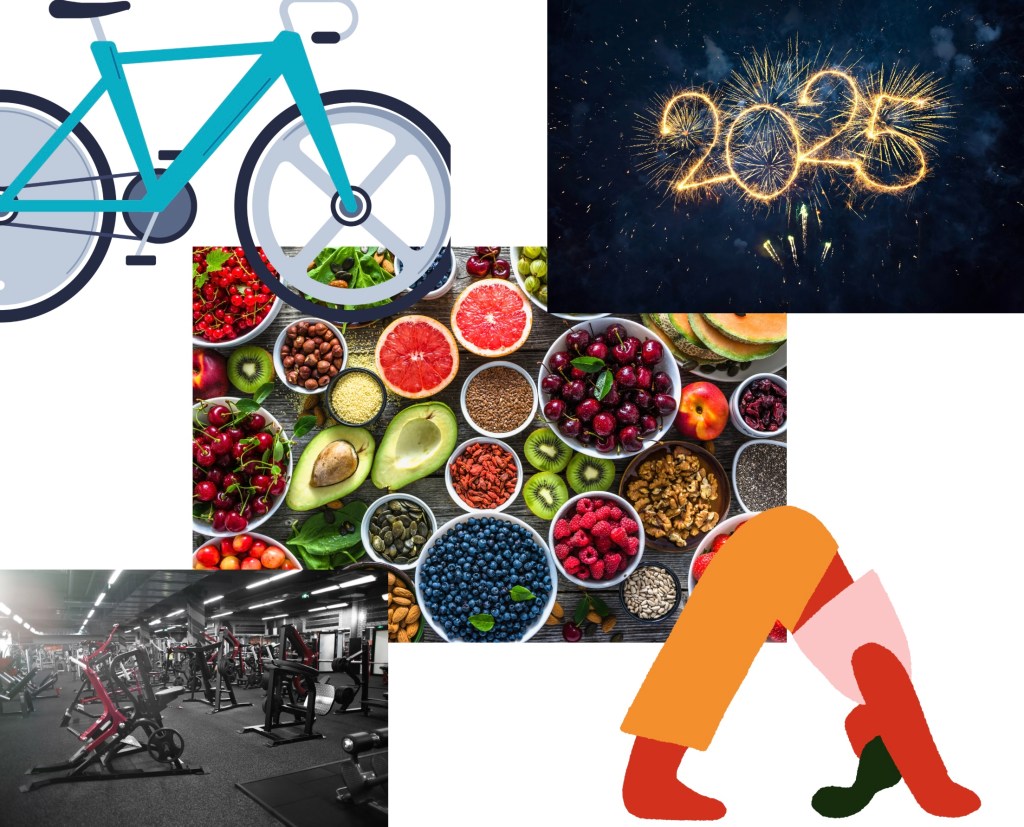
The possibilities for change are out there waiting for you to choose. Whatever it is you decide to add to, or remove from, your life, we wish you every success and happiness in your pursuit of achieving your ambitions and meeting the challenges you set yourself.
We wish you all, a very Happy New Year.
Discover more from MiniRag ©
Subscribe to get the latest posts sent to your email.

