

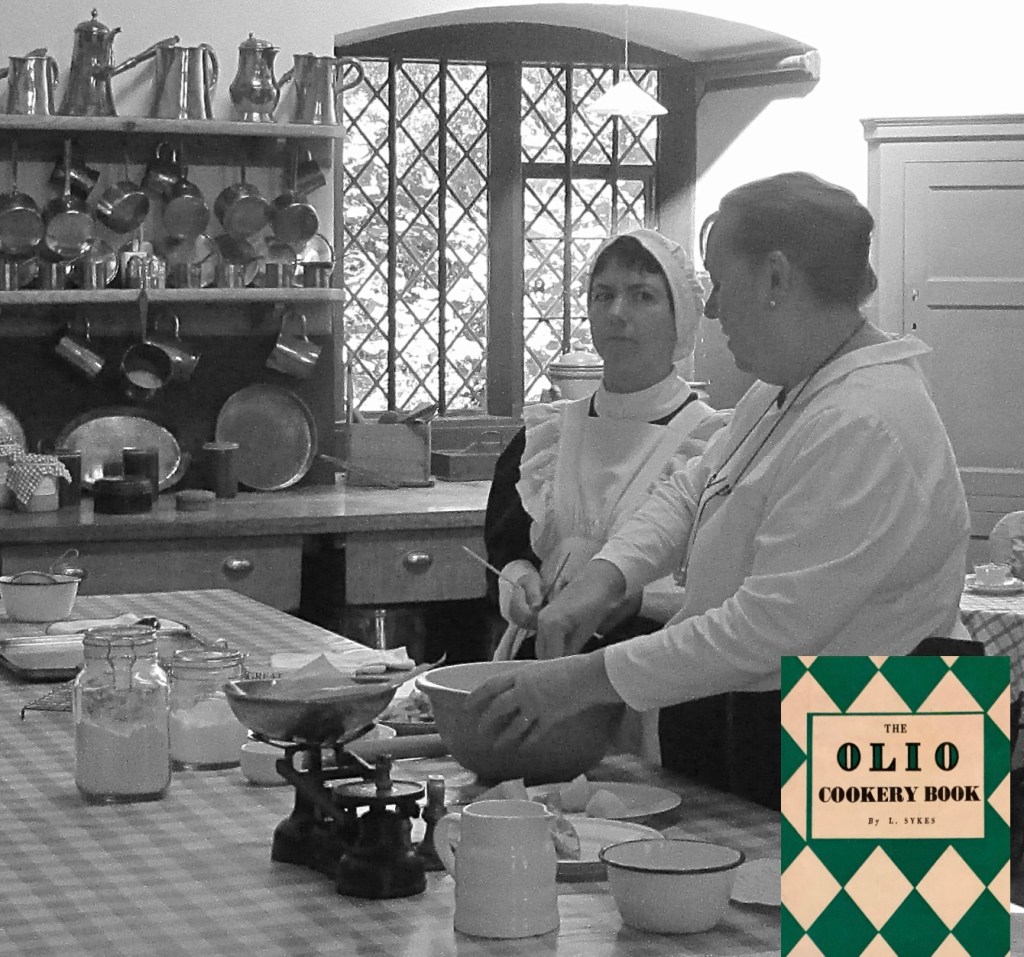
CAUTION
Because this book was written many years ago, it contains language, assumptions and terminology of a bygone age. If you are inspired to find and purchase a copy, you should be aware that this may cause you some distress or other negative experience.
First published in the early 20th century, this cookbook was designed to meet the requirements of the Board of Education Examination in Cookery. It offers a comprehensive collection of recipes and cooking techniques from that era. The book has seen multiple editions, with notable publications in 1923 and 1954. It’s considered a valuable resource for those interested in traditional cooking methods and historical recipes.
If you’re interested in obtaining a copy, vintage editions are available through various online booksellers and marketplaces. You might also explore local second-hand bookstores or libraries.
Please note that due to its age, the book may use older culinary terms and measurements, which might require some adaptation for modern use.

Disclaimer
The Olio Cookery Book was written during a period when scientific understanding of health and medicine was far less advanced than it is today. As a result, any thoughts of using it as a guide would require careful cross checking with up to date food preparation and handling standards etc. The book describes a wide range of recipes along with many different ingredients; some of which may no longer be suitable for human or animal consumption. The meats used in some of the recipes come from a range of animals. Those who are sensitive to animal welfare issues may find some of the recipes upsetting or unacceptable. See Below for further cautionary advice:
1. Outdated Recommendations: Some advice, like using dubious products on the scalp for hair loss, reflects older beliefs and practices that were based on anecdotal evidence or limited scientific knowledge. These methods might not only be ineffective but could also pose a serious risk to health & a potential risk of fatalities.
2. Seriousness of the Content: While the cookbook was likely a well-regarded resource in its time—especially for teaching cookery—it should now be approached more as a historical document than as a practical guide for health or wellness. Recipes can still hold value if they’re adjusted for modern tastes and safety, but anything related to food preparation, food storage, recipe ingredients, medical or hygienic advice should be cross-checked with current knowledge.
3. Cultural and Historical Context: Books like this are fascinating for the insight they provide into the lifestyle, diet, and beliefs of the era. However, they should not be followed without consideration of how science and health standards have changed.
How to Approach the Book Today
• For Cooking: Some of the recipes are likely safe and usable, but review techniques and ingredients carefully (e.g., ensure meats are cooked to modern safety standards, and avoid any now-banned additives like borax, which was once used as a food preservative).
• For Medical or Household Advice: These sections should be viewed as historical curiosities rather than practical advice. Avoid implementing any recommendations without consulting modern health or safety resources.
• For Historical Interest: The book offers a fascinating snapshot of early 20th-century domestic life, making it a valuable resource for understanding that era.
In short, while The Olio Cookery Book is an interesting and useful artefact, it should not be relied upon for unverified recipes, ingredients or cooking methods. All information, including health-related advice, should be used for entertainment and historical interest, and must not be considered as a safe source of advice. Use it selectively and enjoy its historical charm!
Back to 1954
Review of The Olio Cookery Book by L. Sykes
(As it might have been written in 1954)
“A Practical Treasure for the Modern Homemaker!”
For over three decades, The Olio Cookery Book by L. Sykes has stood as a trusted companion to cooks both novice and experienced. First conceived to meet the rigorous standards of the Board of Education’s examination in cookery, this enduring classic has grown to become a staple in kitchens across the nation, and the 1954 edition brings even more to admire.
With its thoughtfully arranged chapters and clear, concise instructions, The Olio is more than a collection of recipes—it is an education in the art and science of cookery. From traditional British fare to techniques that reflect the evolving tastes of a post-war Britain, this book ensures that the homemaker is well-equipped to prepare nourishing, economical, and attractive meals for her family and guests.
L. Sykes combines sound culinary principles with practical advice, offering invaluable tips on everything from menu planning to household management. The sections on baking, preserving, and pickling are particularly noteworthy, as they empower the reader to create staples with the skill and confidence of a professional. Whether you’re making a classic suet pudding, attempting delicate pastries, or crafting your own jams and jellies, this book will guide you every step of the way.
While firmly rooted in tradition, The Olio also embraces progress, addressing the needs of the modern age. Its recipes are carefully tested, designed to fit seamlessly into the busy schedules of today’s homemakers. No longer are these methods solely for passing exams—they are practical, everyday solutions to the challenges of running a household with economy and elegance.
For aspiring cooks, students of domestic science, and seasoned homemakers alike, The Olio Cookery Book is a must-have. With its blend of instruction, inspiration, and timeless wisdom, it will surely continue to grace bookshelves for many years to come.
“The Olio Cookery Book”—a practical treasure for the modern kitchen. Secure your copy today and join the ranks of those who have mastered the art of fine home cookery with the help of L. Sykes.
WARNING
The above passage was a mock recommendation that mimics what a recommendation of the book may have looked like in 1954: Written in the spirit of the 1950s enthusiasm for utility and tradition.
To provide some understanding of the books content, I have added some brief excerpts and descriptions of the text below. These are not to be used as advice, and are solely for the purpose of commentary. In some cases, there may be a serious risk to health if the recipes, methods and mixtures within the book are followed without adaptation to accommodate up to date laws, standards and knowledge.
The numerous recipes for various types of food and drink include contents that many of us today may find somewhat unpalatable or even sickening. In particular, some of the meats used in the book’s recipes might not be acceptable, healthy or legal today. Pigeons, sheep’s heads, sheep’s trotters, tripe or pig’s brains are all untried by myself, and are likely to remain untried.
One of the things to remember when looking over the book, is that it is only a reflection of the times it was born in. Food was scarce for many people, and choices were limited. Many people living in the UK, who haven’t reached middle age, may not have experienced food shortages. More recently however, food shortages are becoming more common, as are those who are reliant on food banks and charities to provide much of their food needs.
The later chapters of the book are, for me, the most interesting. There are recommendation on how to cook for those with health issues; a chapter headed “Toilet Recipes”; hints and advice for personal care; health care, household hints, laundry advice and childcare.
HAIR RESTORER: I won’t bother to provide measurements but some of the products that the book recommends to manage hair-loss or baldness by rubbing into the scalp include; rum, neat’s foot oil, cocoanut oil, beef marrow, castor oil, rosemary, white wax, and onion juice. Having personal experience with hair-loss, I for one will not be trying any of these methods but it is interesting to see how advice has changed over time.
REMEDY FOR DANDRUFF. Shampoo occasionally with a lotion of egg yolk, rosemary, and a pint of rainwater.I would love to know what thinking led to the inclusion of the rainwater.
SHOE CARE AND CLEANING: Wipe with milk before cleaning to prevent cracking. Orange juice (black boots) Inside of a banana skin (brown boots). Use a soft cloth to polish with. Clean, polished shoes were widely considered to be essential in societies of not so long ago.
Many of us may wonder what people looking back from the 22nd Century will make of our methods and scientific awareness. Do you think we might be making a few mistakes? Most certainly!
Discover more from MiniRag ©
Subscribe to get the latest posts sent to your email.

