

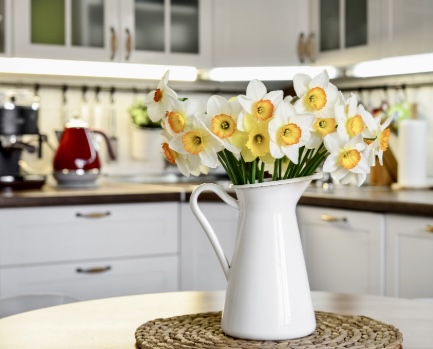
If you are thinking of growing daffodils, particularly in the UK, there are some important details that you would benefit from listed below. Wherever you are in the world, the reading below may be of interest if you are one of the many people who adore this delightful plant.
We have included a brief history and details of other sources that may be useful in expanding your knowledge of the daffodil. This article details the daffodil’s structure and what it needs to thrive. You may or may not be aware that there are a wide variety of daffodil species. There is a description of these, along with information on some of the rarer types you may find in the UK, and where to look.
Botanical Classification Scientific Name Narcissus: Pseudonarcissus. Family: Amaryllidaceae. Origin: Native to Europe, North Africa, and western Asia.
Plant Description
Daffodils are perennial flowering plants characterised by the following components:
Bulb: The underground storage organ from which the plant grows. It contains all the nutrients needed for the plant’s initial growth.
Leaves: Long, strap-like green leaves that emerge in early spring.
Flowers: Each plant typically produces one to several flowers per stem. The flower comprises:
Perianth: Six petal-like tepals arranged around the central corona.
Corona: The trumpet-shaped structure often in a contrasting colour.
Stamens: The reproductive organs containing pollen.
Ovary: The bulbous structure that develops seeds after pollination.
Daffodils are known for their vibrant yellow, white, orange, or bicolour blooms and their mild fragrance. They are prized for their cheerful appearance in gardens, particularly as harbingers of spring.
Historical and Cultural Significance
1. Origins and Spread:
The daffodil’s origin traces back to southern Europe and North Africa, particularly the Iberian Peninsula. Over centuries, it spread through trade routes and naturalised across Europe and parts of Asia. By the 16th century, daffodils were cultivated in England, gaining popularity among gardeners.
According to the National Trust, Roman soldiers may have brought daffodils to the UK from the Iberian peninsula. They were thought to have planted them to commemorate fallen comrades, and remember loved ones left behind in their homeland.

2. Mythology:
The genus name Narcissus comes from Greek mythology. Narcissus, a handsome youth, became infatuated with his reflection, leading to his transformation into the flower. This myth symbolizes self-love and renewal.
3. Symbolism:
• Daffodils symbolise rebirth and new beginnings, aligning with their early spring bloom.
• They are associated with good fortune, particularly in Chinese New Year celebrations.
• In Wales, the daffodil is the national flower, symbolising St. David’s Day on March 1st.
When to Plant Daffodils
1. Planting Time:
• Plant daffodil bulbs in autumn (September to November), before the ground freezes. The bulbs require a chilling period to bloom properly.
2. Ideal Conditions:
• Soil: Well-drained, fertile soil with a slightly acidic to neutral pH.
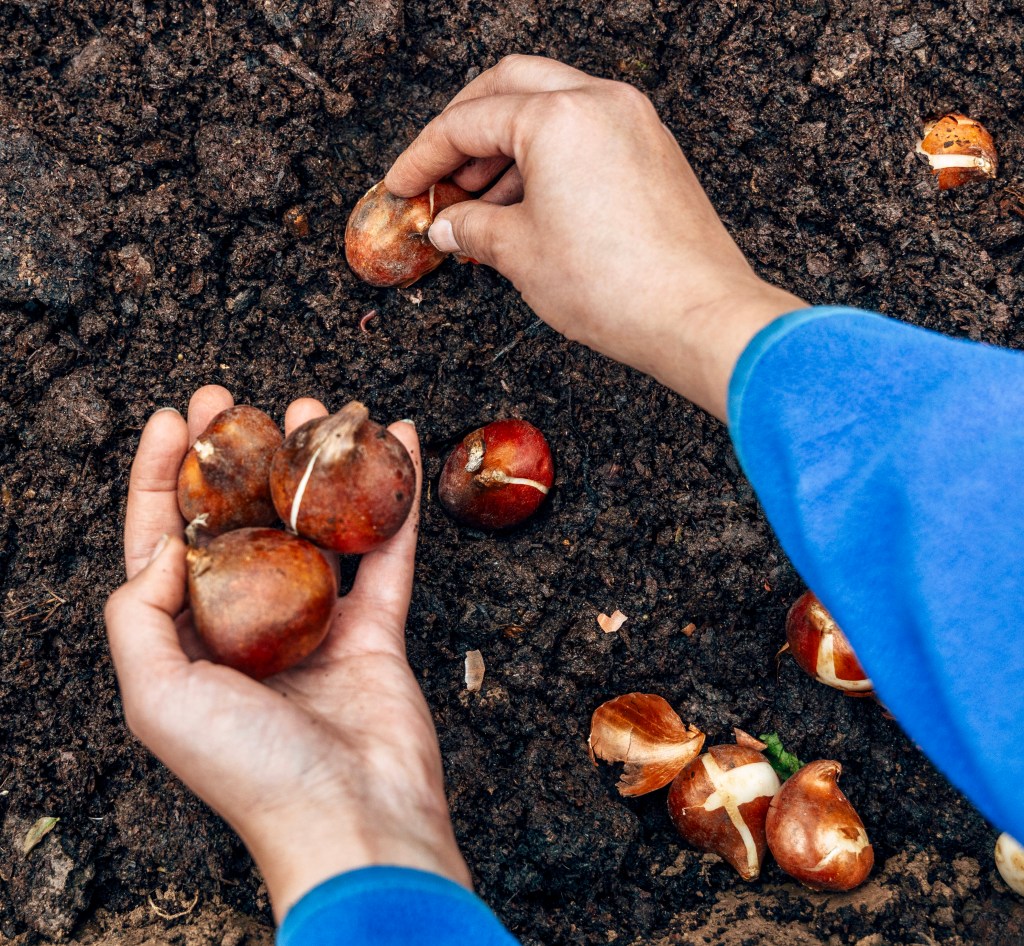
• Location: A sunny or partially shaded spot. Too much shade can reduce flowering.
• Depth: Plant bulbs 6-8 inches deep, with the pointed end upward. Spacing between bulbs should be about 4-6 inches.
Promoting Growth and Well-Being
1. Watering:
• Water bulbs thoroughly after planting. While growing, ensure consistent moisture but avoid overwatering.
2. Fertilising:
• Use a balanced fertiliser (e.g., 10-10-10) when shoots first appear.
• Avoid high-nitrogen fertilisers, which promote leaves over flowers.
3. Maintenance:
• Allow foliage to die back naturally after flowering to replenish the bulb’s energy.
• Deadhead spent flowers to prevent energy going into seed production.
4. Dividing Bulbs:
• Every 3-5 years, dig up and divide overcrowded clumps after the foliage has yellowed.
5. Pests and Diseases:
• Daffodils are resistant to deer and rodents due to toxic alkaloids in the bulb. The plant is toxic to humans, wild animals, and pets. So make sure you don’t mistake the bulbs for onions.
• Watch for issues like bulb rot, which can be prevented by planting in well-drained soil.
Growth Stages of the Daffodil
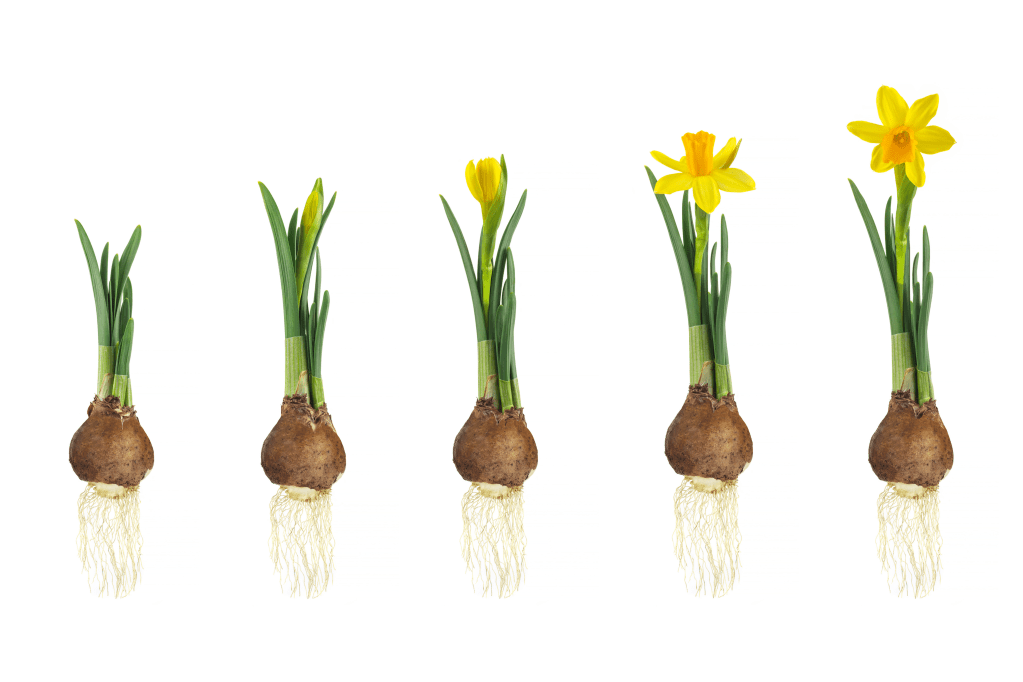
1. Dormancy (Summer-Autumn):
The bulb stores energy from the previous growing season, remaining dormant underground.
2. Root Growth (Late Autumn):
Roots begin to develop, anchoring the bulb and absorbing nutrients.
3. Shoot Emergence (Winter-Early Spring):
Leaves and flower stems emerge as temperatures rise.
4. Flowering (Spring):
Vibrant blooms open, lasting several weeks.
5. Energy Storage (Late Spring):
After flowering, the leaves photosynthesise to store energy in the bulb for the next season.
For reliable information about flowers commonly found in the UK, the following sources are trusted and widely recognized:
1. Royal Horticultural Society (RHS)
• The RHS is one of the most authoritative sources for gardening and plants in the UK. Their website provides detailed information on flower species, growing conditions, and care tips.
• Website: www.rhs.org.uk
2. Kew Gardens.
• Kew Gardens is a leading botanical research institution. Their database includes detailed plant profiles, conservation efforts, and UK-native species.
• Website: www.kew.org
3. Botanical Society of Britain and Ireland (BSBI)
• The BSBI specialises in native and naturalised plants in Britain and Ireland. Their resources include identification guides and distribution maps.
• Website: www.bsbi.org
4. Woodland Trust
• This organization focuses on native British plants and trees, including flowers found in woodlands and meadows.
• Website: www.woodlandtrust.org.uk
5. Plant life
• Plant life is a UK-based charity dedicated to wild plant conservation. Their resources are excellent for learning about wildflowers and their habitats.
• Website: www.plantlife.org.uk
6. Local Gardening Centres and Societies
• Many local gardening societies and independent garden centres provide region-specific advice and workshops on UK-friendly flowers.
7. Books and Field Guides
• “Wildflowers of Britain and Ireland” by Marjorie Blamey and Richard Fitter: A highly recommended field guide.
• RHS Encyclopaedia of Plants and Flowers: Comprehensive information on garden and wild plants in the UK.
8. Online Forums and Communities
• Forums like Grow Your Own and gardening sections of websites like Gardeners’ World offer advice and tips from UK gardeners.
In the UK, several rare types of daffodils can be found, especially species or cultivars that are uncommon due to their specific growing conditions, conservation status, or limited availability. Below are some of the rarest types:
1. Wild Native Daffodil (Narcissus pseudonarcissus)
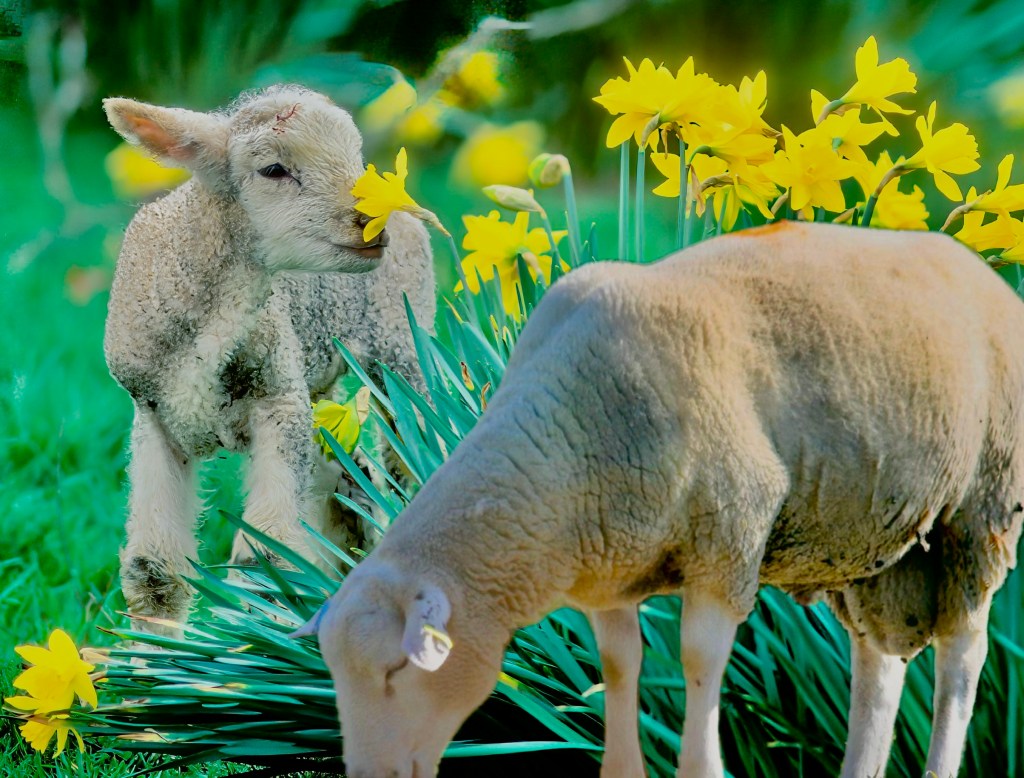
• Why rare? The native wild daffodil, also known as the “Lent Lily,” has declined in the UK due to habitat loss, agricultural changes, and competition with garden cultivars.
• Where to see it:
• Gloucestershire: Dymock Woods, is famous for its wild daffodil meadows.
• Herefordshire and Worcestershire: Areas along the “Daffodil Way” walk.
2. Tenby Daffodil (Narcissus pseudonarcissus ssp. obvallaris)
• Why rare? This subspecies is native to Wales, particularly near Tenby. It is less common outside its natural range.
• Characteristics: Small, golden-yellow flowers with a neat trumpet and petals.
• Where to see it: Coastal areas of Pembrokeshire.
3. Hoop Petticoat Daffodil (Narcissus bulbocodium)
• Why rare? This species, with its distinctive bell-shaped flowers, is more delicate and requires specific conditions, making it rare in the wild or even in gardens.
• Where to see it: Usually grown in specialist gardens or collections, such as botanical gardens.
4. Double-flowered Wild Daffodils
• Some naturally occurring double-flowered forms of Narcissus pseudonarcissus or its hybrids can be found in the wild but are extremely rare.
• Why rare? Double-flowered varieties occur as natural mutations and are not commonly seen.
5. Narcissus poeticus (Pheasant’s Eye Daffodil)
• Why rare? This late-flowering, fragrant species with a white perianth and a tiny, red-rimmed yellow corona is less common in the UK.
• Where to see it: Often planted in historical gardens or naturalised in meadows.
6. Narcissus cyclamineus
• Why rare? This daffodil species, with its reflexed petals, is native to the Iberian Peninsula but can occasionally be seen in specialist UK collections.
• Where to see it: Specialist growers or gardens.
7. Rare Hybrid Varieties
Some hybrid daffodils are rare because they are cultivated in small numbers by specialist growers. Examples include:
• Narcissus ‘Green Pearl’: A green-tinted daffodil with unique colouration.
• Narcissus ‘Pink Wonder’: A daffodil with a soft pink trumpet, unusual for daffodils.
Where to See Rare Daffodils in the UK
• National Trust properties: Many National Trust sites have wildflower meadows or daffodil collections.
• Specialist nurseries: Nurseries like Broadleigh Gardens or RHS-affiliated gardens often grow rare daffodils.
• Botanical gardens: Royal Botanic Gardens at Kew or Edinburgh may feature rare species or cultivars.
If you are interested in giving one of these rarer species a try, you might like to consider the Hoop Petticoat Daffodil. It can be a distinctive and charming addition to any garden. Its unique, funnel-shaped flowers resemble the flared skirts of a petticoat, hence the name. This variety is well-suited to rock gardens, borders, and containers.
Growing the Hoop Petticoat Daffodil.
1. Ideal Growing Conditions
• Soil: Well-drained, sandy or loamy soil with a slightly acidic to neutral pH.
• Location: Full sun or light dappled shade. These daffodils thrive in sheltered spots where the soil warms quickly in spring.
• Climate: Mimics Mediterranean conditions, so they prefer areas with mild winters and dry summers.
2. Planting
• When to plant: Late summer to early autumn (August–October).
• How deep to plant: Bulbs should be planted 2-3 times their own depth (approximately 8-10 cm deep) and spaced 10 cm apart.
• Special consideration: Plant in clusters for a naturalized look or in a container for close-up enjoyment.
3. Watering and Maintenance
• Watering:
• Water sparingly after planting, just enough to help establish roots.
• Avoid overwatering, as these bulbs are prone to rot in soggy soil.
• Feeding: Apply a low-nitrogen, high-potassium fertilizer (like a tomato feed) once the flowers start to bloom.
• After blooming: Allow foliage to die back naturally so the bulbs can store energy for next year.
4. Growing in Pots
• Use a free-draining potting mix, adding grit or sand for drainage.
• Keep the pots in a sunny, frost-free location over winter, as the bulbs are less hardy in containers.
5. Propagation
• These bulbs multiply over time. After 3-4 years, you can lift and divide the clumps in late summer when the bulbs are dormant.
6. Challenges to Watch For
• Pests: Watch for slugs and snails, especially when shoots first appear.
• Diseases: Avoid waterlogged soil to prevent bulb rot.
• Frost: While somewhat hardy, they may need protection in severe frosts (use fleece or mulch).
Tips for Purchasing:
• Seasonal Availability: Daffodil bulbs are typically planted in autumn (September to November) for spring flowering. It’s advisable to check the current availability and pre-order if necessary.
• Quality: Ensure you’re purchasing from reputable suppliers to receive healthy, top-size bulbs.
• Quantity: Planting in groups enhances visual impact, so consider purchasing multiple bulbs for a more striking display.
Daffodilusa.org provide some interesting information on the classification of daffodils by describing the thirteen divisions used in the RHS system of classification.
Nationaltrust.org.uk give a comprehensive background on the daffodil. Interesting details such as, Romans being known to have planted daffodils in the UK to commemorate their fallen comrades, give us a wealth of insight.
Discover more from MiniRag ©
Subscribe to get the latest posts sent to your email.

