


Speeding vehicles have been a major cause of concern for UK road users and pedestrians for many years. In the mid 1960’s, the number of deaths on UK roads, in a single year, reached a peak of almost 8,000. Obviously, things had to change. Subsequent years have shown an overall decline, and, in recent years, the number of reported road fatalities has fallen below 2,000 a year.
Conversely, the number of licensed vehicles in the UK has been steadily increasing over several decades. According to statistics, we have now reached a staggering 41.7 million vehicles licensed for use on our roads. So how have deaths on the road been reduced when so many more vehicles are using them?
Safer vehicles, improved roads, and changes in the law appear to have all contributed to the reduction in fatalities. Examples being, changes to drink driving laws, and the compulsory use of seat belts. For these new laws to make a difference, it has been essential for road users to comply with them. But what about those who flout the laws of the road, and drive in ways that present a serious risk to life?

Common problems include; driving under the influence of drugs or alcohol; not wearing seat belts and using smart phones while driving. The main cause seems to be however, the disregard for speed limits. So, what is being done to manage the breaking of speed limits on UK roads?
In the UK, several methods are used to detect and enforce speed limits. These can be categorized into automated systems, roadside enforcement, and policy-based approaches.

Automated Speed Detection & Enforcement systems operate without direct human intervention: Fixed Speed Cameras – Such as Gatso and Truvelo cameras, can use radar or sensors in the road.
• Average Speed Cameras: Measure a vehicle’s speed over a distance (e.g., SPECS and VECTOR systems).
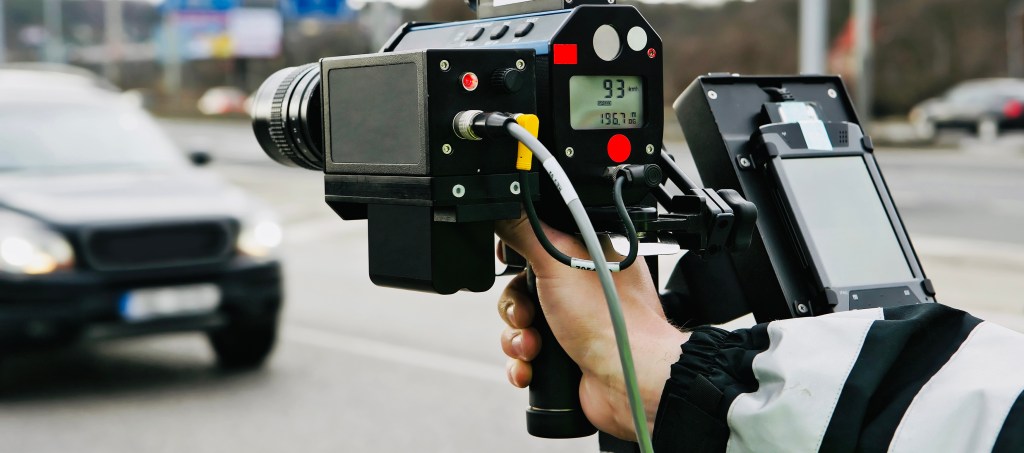
• Mobile Speed Cameras: These are frequently utilised by police who operate from vehicles. In some cases, operations are carried out by safety partnerships. The process involves the use of laser or radar guns.
• Traffic Light Cameras – Sometimes include speed detection at junctions.
• Smart Motorway Cameras: High technology equipment is integrated into overhead motorway gantries. These are becoming more common and, on motorways such as the M25, you don’t have to travel very far between one gantry and the next. Speed limits change within the blink of the eye, so attention to road conditions is crucial if you intend to stay within the laws of the highway. Although cameras enforce the variable speed limits efficiently, some drivers continue to breach speed limits.
For many of us, this type of recklessness is difficult to understand. Various explanations come to mind as to why people continue to put the lives and safety of road users at risk. Perhaps they are so focused on reaching their destination that they are unaware of the danger they are creating. Maybe they are so arrogant that they see themselves as above the laws put in place to keep us safe. Or could they just be oblivious to the rules and speed limits in place: “poor drivers”, some might say.

Police & Roadside Enforcement involves several strategies aimed at catching those who break speed limits, or persuading them to drive more responsibly.
• Handheld Speed Guns – Used by officers to catch speeders in real time.
• Unmarked Police Cars – Officers follow and record vehicles before stopping them.
• Community Speed Watch: Local volunteers monitor and report speeding vehicles. Although no direct penalties are awarded, warnings may be issued in hope of causing people to reconsider their driving habits.
Policy-Based Approaches.
• Penalty Points & Fines – Fixed penalties for those caught speeding, with harsher consequences for excessive speeds. Critics of this system might point to a perceived weakness in sentencing linked to cases such as the Porsche driver reported by the BBC to have been driving at 163mph on the M1 in North London, and another driver doing the same speed in Humberside. Between them, their subsequent driving bans were 6 & 4 months; the latter with a £950 – fine attached.

Maybe this will result in a change of habits for the drivers concerned, but how much impact does it have on the problem as a whole?
• Speed Awareness Courses – An alternative to fines/points for minor infractions.

• Vehicle Activated Signs (VAS) – Display a warning if a driver exceeds the limit, acting as a deterrent rather than an enforcement tool.
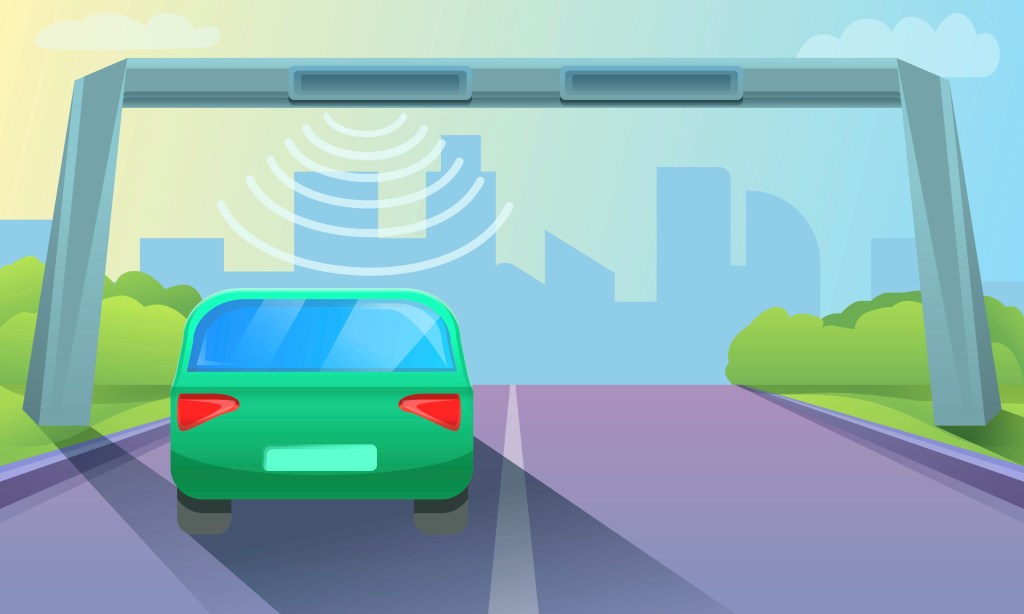
• Technology in Vehicles – Some fleets and new cars have speed limiters or telematics that monitor driver behaviour.
So, what about available technology that prevents vehicles from going too fast. There are several technologies available that can prevent vehicles from exceeding speed limits. These range from built-in vehicle systems to aftermarket solutions and regulatory measures.
1. Built-in Vehicle Technologies
• Intelligent Speed Assistance (ISA) – Uses GPS and/or cameras to detect speed limits and either warn the driver or limit their speed automatically.
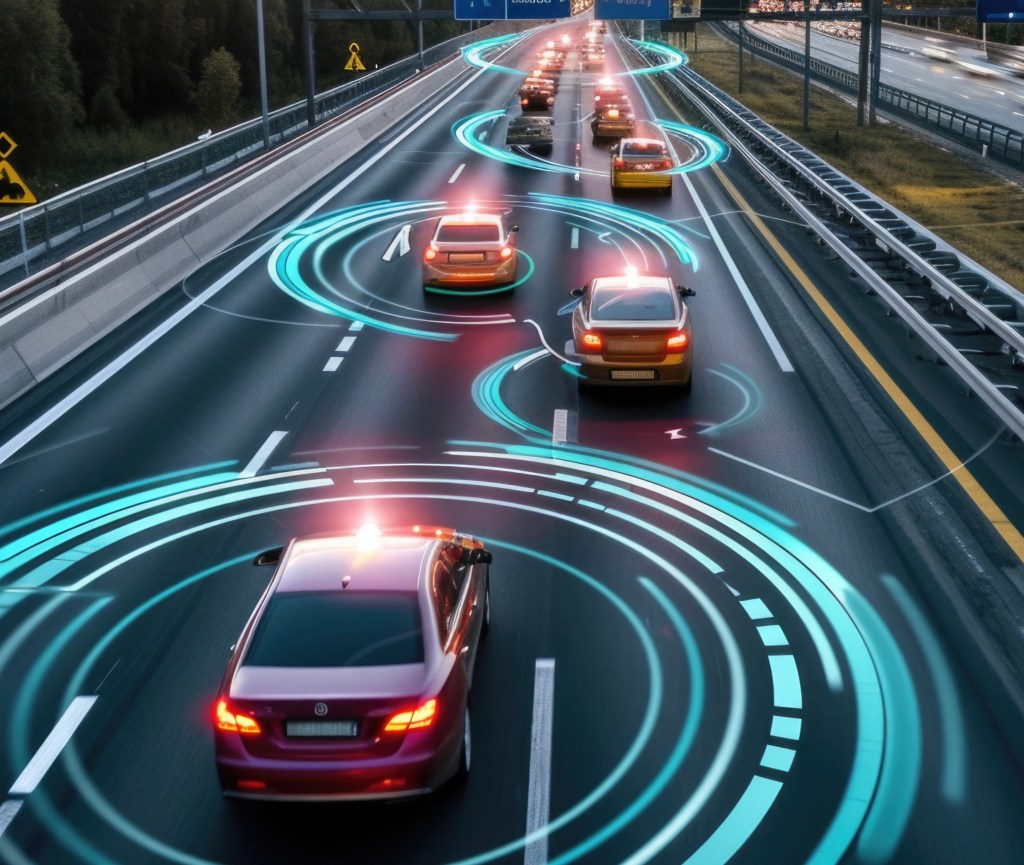
• Speed Limiters – Restrict a vehicle’s maximum speed but allow the driver to override them. These are commonly used in fleet vehicles and some commercial trucks.
• Adaptive Cruise Control (ACC) – Maintains a set speed but can adjust based on traffic and speed limits.
• Geofencing-Based Speed Control – Some vehicles can restrict speed in certain areas such as urban zones.
2. Aftermarket Solutions
• GPS-Based Speed Limiters – Aftermarket devices that prevent speeding by comparing GPS location with known speed limits.
• Telematics & Black Box Insurance: This involves monitoring speed and driving behaviour, potentially limiting speed or increasing insurance costs for frequent offenders.
3. External Regulations & Infrastructure
• Traffic Sign Recognition: Many modern cars can read speed limit signs and alert drivers if they exceed them.
• Smart Motorways & Connected Vehicles – Future systems may use direct communication between road infrastructure and vehicles to enforce speed limits automatically.
• Mandatory Speed Limiters for New Cars (EU & UK Regulations) – From 2024, all new cars sold in the UK must have Intelligent Speed Assistance (ISA) technology installed by law.
ISA Technology overview: ISA is a vehicle safety system that helps drivers comply with speed limits by either warning them or actively restricting the vehicle’s speed. It uses GPS, onboard cameras, or both to detect speed limits and ensure the vehicle does not exceed them.
ISA systems typically function in one of three ways:
1. Advisory (Warning Only).
• Detects the speed limit and alerts the driver (via a sound, vibration, or visual cue) if they exceed it.
• No direct control over vehicle speed.
2. Supportive (Speed Reduction Assist)
• Gradually reduces engine power if the driver exceeds the limit.
• The driver can override it by pressing harder on the accelerator.
3. Mandatory (Active Speed Limiting)
• Actively prevents the vehicle from exceeding the speed limit.
• Usually applies to fleet vehicles, public transport, and some commercial vehicles.
Key Components of ISA
• GPS Mapping – Uses satellite positioning to compare vehicle speed with known speed limits in a database.
• Camera-Based Speed Sign Recognition – Reads speed limit signs and adjusts limits dynamically.
• Vehicle Control System – Limits engine power when the driver exceeds the speed limit.
• Driver Override (Optional) – In most cases, drivers can temporarily override ISA by pressing the accelerator harder.
UK & EU Regulations.
• From July 2022, ISA became mandatory for all newly approved car models in the UK and EU.
• From July 2024, ISA will be required in all newly sold vehicles, including older models still in production.
• Drivers can still override ISA in most cases, but regulations may tighten in the future.
Advantages & Disadvantages
✅ Benefits:
• Reduces speeding-related accidents and fatalities.
• Helps drivers avoid fines and penalty points.
• Can improve fuel efficiency by preventing aggressive driving.
• Adapts to temporary speed changes (e.g., roadworks).
❌ Challenges:
• Incorrect speed readings – GPS databases and sign recognition may not always be accurate.
• Override concerns – Some drivers complain that speed-limiting is intrusive.
• Technology limitations – Doesn’t account for emergency situations where exceeding the limit might be necessary.
Most modern car manufacturers have started integrating ISA technology, either as standard or as an optional feature. Here’s how some major brands approach ISA according to Chat GPT.
1. Ford
• Technology: Uses Traffic Sign Recognition combined with GPS data to adjust speed automatically.
• Override: Can be overridden by pressing the accelerator harder.
• Models with ISA: Ford Puma, Kuga, Focus, Transit (as part of Ford Co-Pilot360).
2. Volkswagen Group (VW, Audi, Seat, Skoda)
• Technology: Relies on camera-based sign recognition and GPS mapping.
• Override: Drivers can disable ISA via the infotainment system.
• Models with ISA: VW Golf, ID.3, Audi A3, Skoda Octavia, Seat Leon.
3. BMW & MINI
• Technology: Uses Active Cruise Control combined with ISA to adjust speed dynamically.
• Override: Can be switched off or overridden by pressing the accelerator.
• Models with ISA: BMW 3 Series, 5 Series, X3, X5, MINI Cooper.
4. Mercedes-Benz
• Technology: Includes ISA in the “Intelligent Drive” system, combining GPS, cameras, and AI-based predictions.
• Override: Can be overridden, but reactivates each time the car starts.
• Models with ISA: C-Class, E-Class, S-Class, EQS, GLE.
5. Tesla
• Technology: Uses camera-based vision (not GPS-based maps) to detect speed limits.
• Override: Driver can manually set a higher or lower limit.
• Models with ISA: Model 3, Model Y, Model S, Model X (part of Autopilot).
6. Toyota & Lexus
• Technology: ISA is part of Toyota Safety Sense (TSS), integrating adaptive cruise control with speed limit recognition.
• Override: Can be overridden manually.
• Models with ISA: Toyota Corolla, RAV4, Yaris, Lexus NX, RX.
Comparison with Other Speed-Limiting Technologies.
| Technology | ISA (Intelligent Speed Assistance) | Traditional Speed Limiter | Adaptive Cruise Control (ACC) |
| How it Works | Reads speed limits & adjusts accordingly | Driver sets a max speed manually | Adjusts speed based on traffic ahead |
| Speed Adaptability | Dynamic (changes with road limits) | Fixed (manual input) | Dynamic (adjusts with traffic) |
| Override Possible? | Yes, in most cases | Yes | Yes |
| Legal Requirement? | Yes (UK/EU new cars from 2024) | No | No |
| Best For | Avoiding speeding fines, safety | Personal speed preference | Comfort in highway driving |
Future of ISA.
• Stricter Regulations? Future laws may remove the ability to override ISA in non-emergency situations.
• Connected Vehicles? Future cars may receive real-time speed limit updates from road infrastructure.
• Integration with Autonomous Tech? ISA could work alongside self-driving features for full compliance with speed laws.
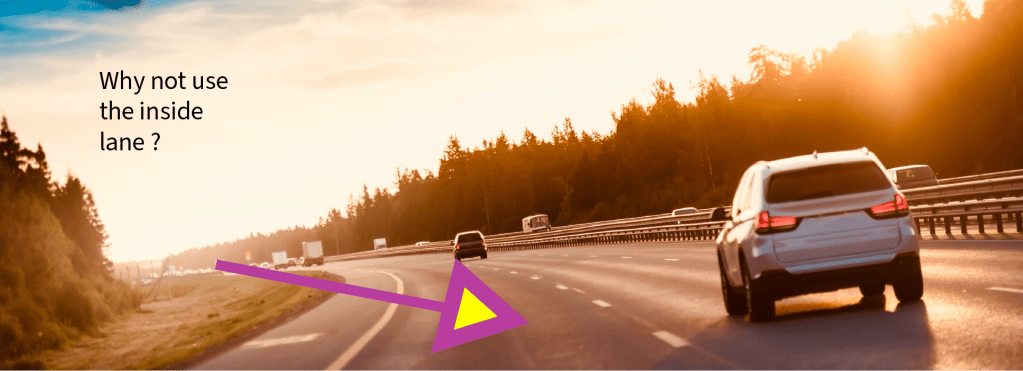
Smart motorways use technology to monitor and control traffic flow, reducing congestion and improving safety. One of their key functions is dynamic speed management, which helps regulate vehicle speeds based on real-time conditions.
How Smart Motorways Manage Speed.
1. Variable Speed Limits (VSL)
• Overhead gantries display speed limits that change based on traffic conditions.
• Limits can be reduced to prevent stop-start congestion or increased when traffic is flowing smoothly.
• Enforced using automatic speed cameras, issuing penalties if exceeded.
2. Dynamic Hard Shoulder Running (on some smart motorways)
• Hard shoulder can be opened as a running lane when traffic is heavy.
• Speed limits adjust to ensure safe merging and prevent collisions.
3. Incident Detection & Response
• CCTV, radar, and sensors detect accidents, breakdowns, or congestion.
• Speed limits can be lowered to prevent sudden braking and allow emergency response teams to operate safely.
4. Traffic Flow Optimization
• Systems analyse real-time data to predict congestion before it happens.
• Speed limits are adjusted in advance to smooth traffic flow and prevent bottlenecks.
5. Integration with Connected Vehicles (Future Potential)
• Smart motorways could transmit live speed limit data directly to vehicles with Intelligent Speed Assistance (ISA), ensuring compliance automatically.
• Could work alongside autonomous driving technology to optimize speed and lane usage.
Benefits of Speed Management on Smart Motorways
✅ Reduces congestion – Smooth speed adjustments prevent sudden braking and bottlenecks.
✅ Improves safety – Lower speed limits in bad weather or high traffic to reduce accident risks.
✅ Enhances fuel efficiency – Steady speeds reduce fuel consumption and emissions.
✅ Supports future automation – Can integrate with smart vehicles for better compliance.
Challenges & Controversies
❌ Public perception – Many drivers dislike changing limits and enforcement cameras.
❌ Hard shoulder removal concerns – Some smart motorways remove the hard shoulder permanently, raising safety concerns.
❌ Technology limitations – Sensors and systems must be constantly maintained for accuracy.
❌ Inconsistent enforcement – Some areas have more speed cameras than others, leading to confusion.
Future of Smart Motorways & Speed Control
• Increased AI & automation – AI could predict traffic flow better and set speeds dynamically.
• Full integration with vehicle ISA – Speed limits could be enforced directly in cars.
• Expansion of connected road systems – Traffic lights, motorway cameras, and vehicles could communicate seamlessly.
• Potential phasing out – The UK government has paused new smart motorway projects due to safety concerns, but existing ones will continue operating.
To illustrate, we can look at the M60 in Greater Manchester. The M60 is a circular motorway that encircles Manchester, serving as an important route for commuters, freight, and long-distance traffic. It connects key towns and districts around the city and intersects with several major roads and motorways.
Key Facts About the M60
• Length: 36 miles (58 km)
• Opened: Fully completed in 2000 (formed from existing motorways)
• Junctions: 27 in total
• Carries: Over 200,000 vehicles daily in some sections.
• Motorway Type: Partial smart motorway in some areas.
Important Junctions & Connections.
| Junction | Major Connections | Key Areas Served |
| J1 | A34 Kingsway | Stockport, Didsbury |
| J4-5 | M56 & Manchester Airport Link | Wythenshawe, Airport |
| J10-12 | M62 & Trafford Centre | Salford, Eccles, Trafford Park |
| J18 | M62 & M66 | Leeds, Bury, Rochdale |
| J23-24 | M67 | Denton, Hyde, Sheffield (via A57) |
• Junction 18 (“Simister Island”) is a key interchange where the M62, M60, and M66 meet.
• Junction 10 (Trafford Centre), is often one of the busiest sections due to shopping and leisure traffic.
Smart Motorway Sections.

Parts of the M60 operate as smart motorways, using:
• Variable speed limits (displayed on overhead gantries).
• Traffic flow monitoring to reduce congestion.
• Automatic speed cameras enforcing speed limits.
• Hard shoulder running (on some stretches) during peak traffic times.
Common Traffic & Congestion Issues
• Western & Southern Sections (J7-18): Heaviest congestion, especially around Trafford Centre and Simister Island.
• M60/M62/M66 (J18): A major bottleneck where three motorways merge.
• M60 Stockport Viaduct (J1-3): Often affected by slow-moving traffic.
• Accident Hotspots: Junctions 10-12 (Trafford Centre) and Junction 18 (Simister Island).
Future Plans & Upgrades
• Simister Island Upgrade: Plans to improve Junction 18 (M60/M62/M66) due to congestion.
• Potential Smart Motorway Expansion: More sections could be upgraded, but smart motorways are currently under review in the UK.
• Road resurfacing & maintenance projects to improve traffic flow.
The M60 has several speed enforcement measures in place, particularly in high-traffic and smart motorway sections. These work alongside ISA systems in vehicles to encourage compliance with speed limits.
Speed Enforcement on the M60
• Fixed speed cameras are positioned along high-risk areas of the M60, such as near Trafford Centre and Simister Island.
1. Speed Limit Detection
• Vehicles with ISA use GPS and/or camera-based systems to detect speed limits.
• On the M60, ISA-equipped cars can recognize:
• Fixed speed limits (e.g., 50 mph in certain areas).
• Dynamic limits (shown on smart motorway gantries).
2. Driver Warnings & Speed Adjustment
• If a driver exceeds the limit, ISA may:
• Give a visual/audible warning.
• Reduce engine power to prevent exceeding the limit (if enabled).
3. Override & Manual Control
• In most vehicles, ISA can be overridden by pressing harder on the accelerator.
• Some models allow drivers to disable ISA manually, but it reactivates each time the car is restarted (per UK regulations).
Challenges with ISA on the M60
❌ Frequent Speed Limit Changes – ISA systems may struggle to update quickly if speed limits change suddenly on smart motorway gantries.
❌ Incorrect GPS Data – Some systems rely on outdated speed limit databases, causing errors.
❌ Camera Recognition Issues – Poor weather or damaged road signs can affect ISA’s ability to read speed limits accurately.
❌ Driver Frustration – Some drivers find ISA restrictive, particularly when merging or overtaking.
Future Developments
✅ Improved Connectivity: Future ISA systems may receive live updates directly from motorway infrastructure.
✅ Stronger Enforcement Integration: ISA could eventually be linked to enforcement cameras, making speed compliance automatic.
✅ Wider Smart Motorway Coverage: If smart motorways expand, ISA may become even more relevant for speed control.
The M60 motorway in Greater Manchester employs various speed enforcement measures to ensure road safety and manage traffic flow. Here’s an overview of the enforcement locations and methods:
Fixed speed cameras are installed at specific points along the M60 to monitor and deter speeding. Notable locations include:
• Between Junctions 10 and 12 (near Trafford Centre): This stretch is equipped with average speed cameras monitoring both directions as part of the smart motorway system.
• Approaching Stockport, after Bredbury Junction: Fixed speed cameras are placed on two consecutive gantries enforcing a 50 mph speed limit on a curved section.
In addition to fixed cameras, average speed cameras are utilized, especially in smart motorway sections and areas undergoing roadworks. These cameras calculate a vehicle’s average speed over a set distance to ensure compliance with speed limits.
Certain sections of the M60 operate under variable speed limits, particularly in smart motorway zones. Overhead gantries display speed limits that adjust based on traffic conditions, and these are enforced by speed cameras.
Greater Manchester Police occasionally deploy mobile speed camera units along the M60, targeting areas identified as high-risk or where speeding is prevalent.
Age groups most likely to speed (according to Chat GPT).

1. Young Drivers (17-24 years old) – Highest Offenders
• More likely to take risks, including speeding.
• Less experience judging speed and road conditions.
• Studies show male drivers under 25 are the most frequent speeders.
• Insurance companies charge higher premiums due to this risk.
2. Middle-Aged Drivers (25-49 years old) – Frequent Speeders
• Often caught speeding on motorways and A-roads due to commuting pressures.
• More likely to exceed speed limits in built-up areas when rushing for work or appointments.
• Tend to justify speeding as “driving with the flow of traffic.”
3. Older Drivers (50+ years old) – Least Likely to Speed
• More cautious and law-abiding.
• More aware of consequences (fines, points, and safety risks).
• More likely to drive within limits, but some may unintentionally speed due to reduced reaction times.
Studies & Statistics
• A Department for Transport (DfT) report found that younger drivers (17-24) were significantly more likely to be caught speeding than older age groups.
• Male drivers across all age groups speed more than females, especially in younger age brackets.
• Speeding is most common on motorways (50-60% of drivers exceed limits), but younger drivers are more likely to speed in residential and urban areas.
Age Groups and Speeding Tendencies.
1. Young Drivers (17-24 years old)
• Prevalence of Speeding: Young drivers are significantly more likely to engage in speeding behaviours. A survey by Brake revealed that 36% of drivers aged 17-24 admitted to boasting about driving faster than the speed limit.
• Risk Factors: This age group often exhibits higher risk-taking behaviors and may lack experience in accurately assessing driving conditions.
2. Middle-Aged Drivers (25-34 years old)
• Prevalence of Speeding: Drivers aged 25-34 also demonstrate a notable tendency to speed, with 27% admitting to boasting about exceeding speed limits.
• Risk Factors: This demographic often faces time pressures from work and personal commitments, potentially leading to speeding, especially on motorways and during commutes.
3. Older Drivers (35 years and above)
• Prevalence of Speeding: The propensity to speed decreases with age. For instance, only 6% of drivers aged 45 and older reported boasting about speeding.
• Risk Factors: Older drivers tend to be more cautious and have a heightened awareness of the consequences of speeding, contributing to lower instances of such behaviour.
Speeding by Road Type
• Motorways and A-Roads
• General Trends: Speeding is more prevalent on motorways and major A-roads, where higher speed limits may lead drivers to exceed them.
• Age-Related Patterns: Middle-aged drivers (25-34) are more likely to speed on these roads, possibly due to work-related travel and commuting pressures.
• Urban and Residential Roads
• General Trends: Speeding in urban areas poses significant risks due to the presence of pedestrians and cyclists.
• Age-Related Patterns: Younger drivers (17-24) are more prone to speeding in these areas, which can lead to severe consequences given the higher likelihood of interactions with vulnerable road users.
Gender Differences in Speeding
Male vs. Female Drivers

• Prevalence: Male drivers are more likely to be involved in speed-related fatal collisions. Data indicates that 90.7% of drivers exceeding the speed limit in fatal collisions were male.
• Age Intersection: Young male drivers, particularly those aged 17-24, exhibit the highest rates of speeding-related incidents.
Conclusion.
Speeding behaviours in the UK vary notably across different age groups and road types. Young drivers, especially males aged 17-24, are the most prone to exceeding speed limits, both on urban roads and major highways. Middle-aged drivers also display significant speeding tendencies, particularly on motorways and A-roads. In contrast, older drivers tend to adhere more closely to speed limits, reflecting more cautious driving habits.
Understanding these patterns is crucial for developing targeted road safety interventions and educational campaigns aimed at reducing speeding-related incidents across all demographics.
References:
Discover more from MiniRag ©
Subscribe to get the latest posts sent to your email.

